9 Short Hairstyles for Thin Hair That Actually Look Fuller
Going shorter with thin hair feels like a risk. There's this fear that cutting off length just means less hair to hide behind, and that whatever thinness was already there is suddenly on full display. I used to think that too, until I actually started paying attention to which short hairstyles for thin hair hold up in real life and which ones only look good in a salon photo with a blowout fresh off the brush.
What changed my mind is realizing that length is usually the enemy of volume, not the friend of it. Long, thin hair has more weight pulling it flat against the scalp, while a well-placed short cut removes that weight and lets the hair sit up and away from the head instead. The right short cut can genuinely make fine hair look denser than it did at twice the length.
Below are the specific cuts I keep coming back to, how to talk to your stylist about getting them right for fine texture, and the small habits that keep a short cut looking full between salon visits instead of just for the first week.
Compare Short Hairstyles For Thin Hair options
Before you buy any styling tool for a short, fine-hair cut, compare a few side by side so you're paying for features that actually matter for your texture, not just a name brand.
- Check barrel or plate size against your actual hair length
- Look for adjustable heat settings suited to fine, fragile strands
- Read reviews from people with short, thin hair specifically
- Compare price against build quality, not just the sticker price
Compare Short Hairstyles For Thin Hair on Amazon →
As an Amazon Associate, The Swag Hair may earn from qualifying purchases.
Key Takeaways
- Shorter length removes weight, which is usually what's flattening thin hair in the first place
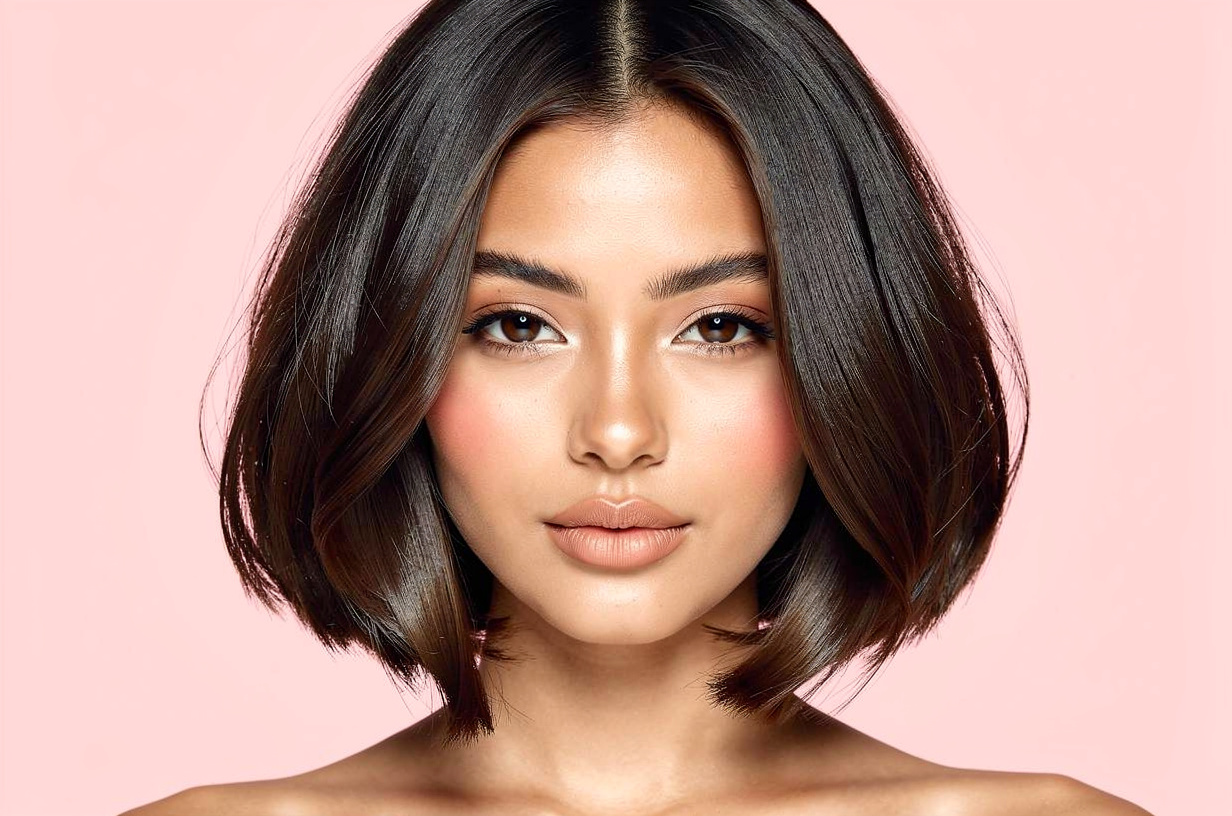
- Blunt, jaw-length bobs read fuller on fine hair than long layers ever do
- A pixie with textured, piece-y ends hides thinness better than a smooth, sleek pixie
- Chin-grazing lengths hit the sweet spot between volume and still having styling options
- Regular trims matter more on short cuts, since grown-out ends collapse the whole shape fast
Quick Access
What I check before recommending Short hairstyles for thin hair
When I'm looking at a short hairstyle for thin hair, the first thing I check is where the weight line sits. A cut that keeps too much blunt weight right at the bottom, like a heavy one-length bob, can actually look thinner on fine hair because there's nothing breaking up that solid edge. I look for cuts that taper or add movement toward the ends instead of leaving one dense, flat line.
I also check how much the style depends on a big, round-brush blowout to look good. A cut that only looks full for the twenty minutes right after a salon visit isn't realistic for daily life. The short hairstyles for thin hair that earn a spot on this list are ones that hold their shape with a quick air-dry and a little product, not a twenty-minute production every single morning.
Who Short hairstyles for thin hair suits best
These cuts work especially well if your hair is thin but otherwise in decent condition, since a short style puts the ends on display and any damage or dryness will show more, not less. If your ends are chemically treated or heat-damaged, it's worth doing a few weeks of repair treatments before committing to something this short, so the finished cut actually looks healthy instead of just thin and tired.
They also suit anyone who's tired of spending twenty minutes with a round brush every morning trying to fake volume that doesn't last. Once the length itself is doing the work instead of a lot of product and heat, getting ready takes a fraction of the time, which is honestly half the appeal of going shorter in the first place.
Check Short Hairstyles For Thin Hair prices before you buy
Before you buy any styling tool for a short, fine-hair cut, compare a few side by side so you're paying for features that actually matter for your texture, not just a name brand.
- Check barrel or plate size against your actual hair length
- Look for adjustable heat settings suited to fine, fragile strands
- Read reviews from people with short, thin hair specifically
- Compare price against build quality, not just the sticker price
Check today’s Amazon options →
As an Amazon Associate, The Swag Hair may earn from qualifying purchases.
Comparison guide
| Choice | Best for | Watch out for |
|---|---|---|
| Jaw-length blunt bob | Maximum density and a polished, everyday look | Grows out fast and needs a trim every 5-6 weeks to hold shape |
| Textured pixie with longer top | The most dramatic volume with the least hair to manage | Needs regular styling with texturizing product or it can look flat |
| Chin-length lob with soft layers | A middle ground between short and long, easy to style | Can lose shape if layers are cut too thin or wispy |
| Short shag with curtain fringe | Built-in movement and volume with minimal effort | Needs more frequent trims to keep the layers from growing shapeless |
How to choose the right look
Start with your face shape and how much of your neck and jawline you actually want visible, since a short cut puts both on display in a way long hair never does. A jaw-length bob tends to flatter most face shapes because it frames rather than exposes, while a pixie is more forgiving if you have strong cheekbones or a shorter neck.
Then think honestly about your morning routine. If you're not willing to use a round brush or texturizing spray most days, choose a cut that has movement built into the shape, like a shag or a layered pixie, rather than a blunt bob that depends entirely on styling to look its best.
Buying checklist
| Check | Why it matters |
|---|---|
| Cut has a taper or layers, not one blunt weight line | Breaks up flatness and reads as fuller on thin strands |
| Length sits at or above the jaw | Removes the extra weight that pulls fine hair flat |
| Ends are textured or point-cut, not blunt-blunt | Piece-y ends disguise thinness better than a solid, smooth edge |
| Trim schedule is every 5-6 weeks | Short layers grow out and lose shape faster than long ones |
| Styling routine matches your actual morning time | A cut you won't style properly will look thin no matter how it's cut |
Maintenance that keeps the result pretty
Keeping a short cut looking full between salon visits is mostly about protecting the shape as it grows. I book trims every five to six weeks instead of stretching them out, because on short hair even a quarter inch of extra growth at the ends can round out a sharp bob into something shapeless and thin-looking.
At home, I rough-dry the roots upside down before doing anything else, then use a small round brush just at the crown to set the lift while everything is still damp. Sleeping on a silk pillowcase also helps a short cut hold its shape overnight instead of getting flattened on one side by morning.
Common mistakes to avoid
The biggest mistake I see with short hairstyles for thin hair is going too blunt at the bottom, thinking a clean line will look more polished. On fine hair, a completely blunt, one-length edge often reads as thinner, because there's no texture breaking up the eye. Adding even subtle point-cutting at the ends makes a real difference.
The second mistake is skipping trims because the cut still looks fine from the front. Short layers lose their shape from the inside out, so by the time it looks obviously overgrown, the volume has usually already been gone for a couple of weeks. Sticking to a regular trim schedule matters more here than on longer cuts.
When to spend more and when to save
I'd spend on finding a stylist who specifically has experience cutting short styles on fine hair, since precision matters so much more at this length. A cut that's off by even a little is much more visible on short hair than it would be buried in longer layers.
Where I'd save is on products — you don't need a whole shelf of volumizing serums and sprays. A good root-lifting mousse and one lightweight texturizing spray cover almost everything on this list, and spending more beyond that rarely changes the result much.
Final styling advice
On days I want extra lift, I'll apply mousse at the roots on damp hair before rough-drying upside down, then finish with a cold shot from the dryer to lock the volume in before it has a chance to collapse.
For second-day styling, a texturizing spray worked in with fingertips rather than a brush keeps a short cut looking intentionally tousled instead of just flat and slept-on, which is usually the difference between a style that reads as thin and one that reads as effortlessly full.
Before you reach the FAQs, compare current Short hairstyles for thin hair options, reviews and prices side by side.
View Short Hairstyles For Thin Hair on Amazon →
As an Amazon Associate, The Swag Hair may earn from qualifying purchases.
FAQ
Does cutting hair shorter really help thin hair look fuller?
Yes — shorter lengths remove the extra weight that pulls fine strands flat, so the hair sits up and away from the scalp more easily, which reads as more volume even though there's technically less hair.
What's the best short haircut for very thin hair?
A jaw-length blunt bob with subtle layering tends to give the most consistent volume, since it keeps enough density at the ends while still breaking up the flat, one-length weight that thin hair struggles with.
Is a pixie cut too short for thin hair?
Not at all — a textured pixie with a slightly longer top is one of the most volumizing options available, as long as it's kept textured rather than cut smooth and blunt all over.
How often should short, thin hair be trimmed?
Every 5 to 6 weeks works best, since short layers on fine hair grow out and lose their shape faster than the same layers would on longer hair.
Can extensions work with a short haircut for thin hair?
Yes, short clip-in wefts or seamless tape-ins can add subtle length or density for special occasions without changing your everyday short cut, and they come out easily at night.
Final verdict
Short hairstyles for thin hair work best when the cut itself is doing the heavy lifting — a jaw-length or shorter length, some texture at the ends instead of one blunt line, and a trim schedule that keeps the shape from growing out and collapsing. Get those three things right and a short cut will consistently look fuller than the same hair worn long, with a fraction of the daily styling effort.