Sew-In Weave Extensions: Beginner Guide to Comfort and Care
When I talk about sew-in weave extensions, I always start with the same honest question: will it make your hair routine easier, prettier and more comfortable, or will it create another thing you have to manage? Sew-In Weave Extensions: Beginner Guide to Comfort and Care is not just about choosing what looks good in a photo. It is about how the hair feels after a full day, how it blends with your own texture, how much maintenance you can realistically keep up with, and whether the result still looks polished after washing, brushing, sleeping and styling.
I like to think of sew-ins and weaves as a beauty decision and a lifestyle decision at the same time. A set that looks perfect for a weekend event may not be the best option for daily wear. A budget option can be fine if you know its limits, while a premium option can still disappoint if the colour, density or texture is wrong. In this guide, I am using the same practical article template I use across The Swag Hair: clear takeaways, real buying checks, comparison tables, honest drawbacks, maintenance notes, FAQ answers and no dramatic promises.
Compare Sew-In Weave Extensions options
If you’re deciding on sew-in weave extensions, compare more than the first pretty result. Look at texture, comfort, maintenance, return policies and recent buyer photos before spending money.
- Texture, color and length match
- Comfort, tension and daily wear
- Care tools, storage and maintenance
- Recent reviews and return policy
Compare Sew-In Weave Extensions on Amazon →
As an Amazon Associate, The Swag Hair may earn from qualifying purchases.
Key Takeaways
- Start with your natural hair condition, lifestyle and comfort level before choosing sew-ins and weaves.
- Colour, texture and density matter more than a perfect product photo.
- The best-looking result usually comes from realistic maintenance, gentle detangling and low tension.
- Cheap hair can work for occasional wear, but daily wear usually needs better fibres, stronger wefts and clearer care instructions.
- If your scalp is sore, itchy or stressed, the style is not a success even if it looks beautiful.
Quick Access
- What to check first
- Best situations for this choice
- Comparison table
- Care and styling notes
- Mistakes to avoid
- FAQ
What I check before recommending sew-in weave extensions
The first check is always your natural hair. If your hair is fragile, recently coloured, thinning around the edges or breaking from heat, the safest answer may be a lighter, lower-tension option while you rebuild strength. If your hair is healthy and you are comfortable with regular upkeep, you can usually consider more structure, more volume or a longer wear method. The mistake I see beginners make is choosing the most dramatic before-and-after picture without asking whether their own hair can comfortably support it.
The second check is your normal week. Someone who works out often, washes frequently or sleeps hot needs a different plan from someone who wears hair mainly for events. I also look at how much time you are willing to spend brushing, wrapping, drying and protecting the hair. Beautiful hair is only worth it if it still fits into your real morning and night routine.
Who sew-in weave extensions suits best
Sew-In Weave Extensions is best for readers who want a polished result but still care about comfort and long-term wear. It can suit textured hair, relaxed hair, wigs and protective styling, especially when the texture, density and installation method are chosen with care. If you want everyday hair, focus on softness, secure attachment, easy detangling and a natural finish. If you want event hair, you can usually go bigger, longer or glossier, but you still need the colour and shape to work with your face and outfit.
It may not be ideal if you dislike maintenance, rush through detangling, sleep without protecting your hair, or expect any extension or wig to behave exactly like biological hair. Added hair needs patience. Even high-quality human hair can become dry, tangled or dull if it is washed roughly, overloaded with product, overheated or stored badly.
Check Sew-In Weave Extensions prices before you buy
If you’re deciding on sew-in weave extensions, compare more than the first pretty result. Look at texture, comfort, maintenance, return policies and recent buyer photos before spending money.
- Texture, color and length match
- Comfort, tension and daily wear
- Care tools, storage and maintenance
- Recent reviews and return policy
Check today’s Amazon options →
As an Amazon Associate, The Swag Hair may earn from qualifying purchases.
Comparison guide
| Choice | Best for | Watch out for |
|---|---|---|
| Budget option | Occasional wear, testing a look, short-term styling | May tangle faster, shed more or need extra trimming |
| Mid-range option | Most beginners who want a balance of price and quality | Still needs careful colour and texture matching |
| Premium option | Frequent wear, special events, natural movement and longer lifespan | Not worth it if maintenance habits are poor |
| Professional help | Installations, colour blending, cutting and custom shaping | Costs more, but often prevents expensive mistakes |
How to choose the right look
Start by matching texture before length. If the texture is off, even expensive hair can look separate from your own. Straight hair needs to match sleekness and shine. Wavy hair needs a similar wave pattern after washing, not only while styled. Curly and coily textures need careful attention to curl size, density and shrinkage. When in doubt, choose hair that is slightly fuller or more textured than you think you need, then blend with styling rather than forcing your own hair to behave differently every day.
Colour is the next big decision. Most people focus on the mid-lengths, but roots and undertones are what make the blend look natural. If your hair has warm brown, ash brown, golden blonde, copper, burgundy or grey notes, a flat single shade can look obvious. Multi-tone extensions, rooted wigs or a stylist toner can make the result softer. I also recommend checking hair in daylight, bathroom light and phone camera light because each one exposes a different mismatch.
Buying checklist
| Check | Why it matters |
|---|---|
| Return policy | You need options if the colour, feel or density is wrong. |
| Recent reviews | Recent photos reveal shedding, tangling and colour accuracy better than sales copy. |
| Weight or density | Too little looks thin; too much can feel heavy or unnatural. |
| Care instructions | Clear instructions usually mean fewer surprises after washing. |
| Heat guidance | Human hair, blended fibres and synthetic fibres tolerate heat differently. |
Maintenance that keeps the result pretty
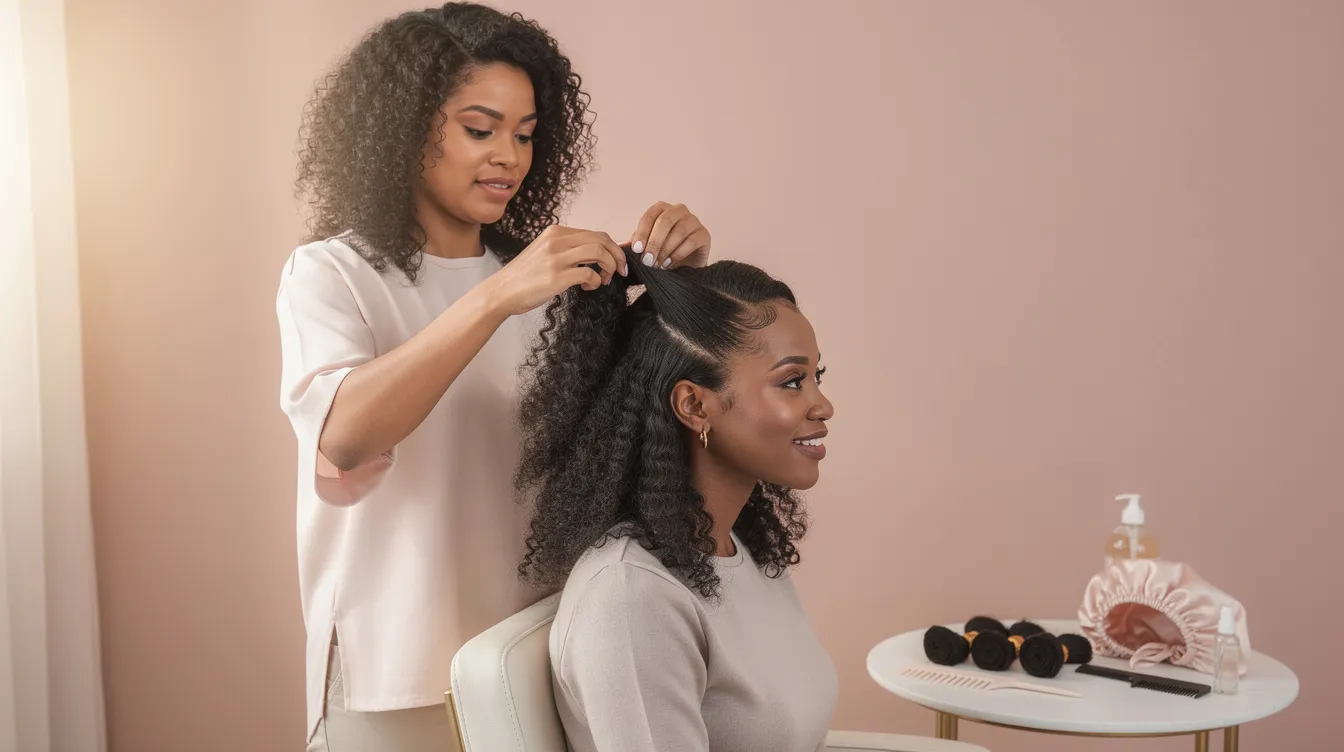
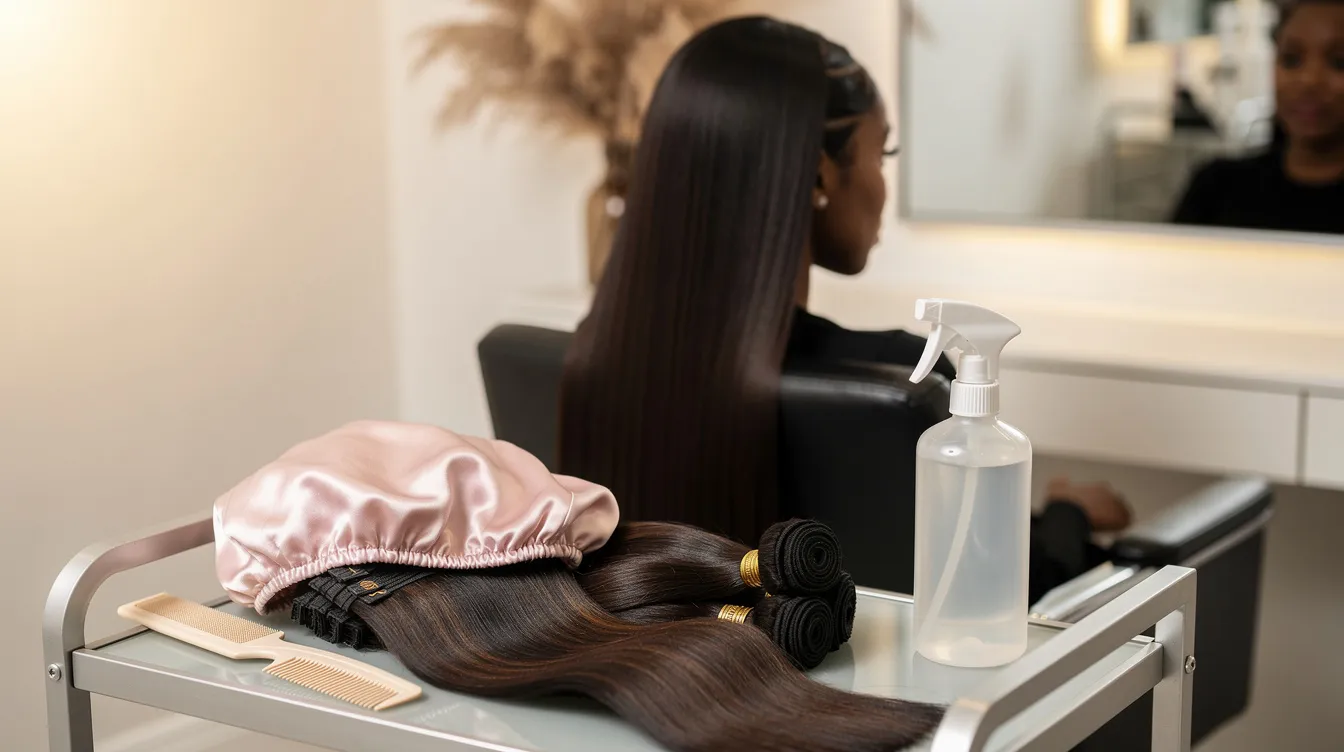
The prettiest results usually come from boring habits repeated consistently. Brush from the ends upward, support the attachment area, avoid sleeping with damp hair, and use a silk or satin bonnet or pillowcase when possible. If the hair is removable, store it clean, dry and detangled. If it is installed, keep your scalp clean, dry the roots properly and avoid product buildup around attachment points.
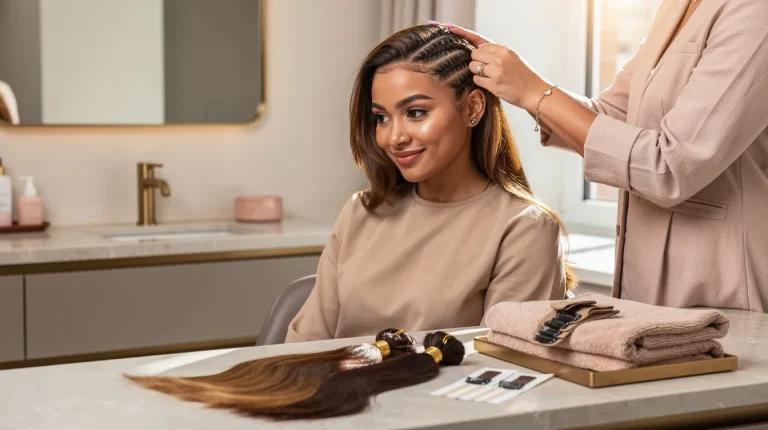
Product choice matters too. Heavy oils can make some extensions stringy, while too much protein can make hair feel stiff. A lightweight leave-in, gentle shampoo, moisturising conditioner and heat protectant are usually more useful than a shelf full of styling products. For wigs and weaves, the foundation underneath matters just as much as the visible hair. Braids that are too tight, bulky or uneven can make even good hair look uncomfortable.
Common mistakes to avoid
The biggest mistake is buying for length alone. Long hair with thin ends can look less expensive than shorter hair with healthy fullness. Another mistake is choosing the exact shade from a screen without comparing undertones. Phone displays change colour, and product photos are often heavily lit. If you are between two shades, blending, rooting or a stylist trim can make the difference between obvious and believable.
I also see readers underestimate tension. Tight clips, heavy bundles, aggressive adhesive removal and too much daily pulling can stress your natural hair. If a style hurts, it is not just “new hair settling in.” Discomfort is information. Loosen it, change the placement, remove it, or ask a professional to check the install. Good hair should make you feel confident, not nervous about your edges or scalp.
When to spend more and when to save
Spend more when you need daily wear, a natural hairline, custom colour, fuller ends or repeated heat styling. Save when you are testing a trend, wearing the hair once or twice, or learning what length and texture you like. The smart middle ground is to buy the best quality you can comfortably maintain. There is no point paying for premium hair if you plan to sleep on it loose, wash it harshly or use high heat without protection.
For beginners, I usually prefer a realistic first purchase over a fantasy purchase. Choose something close to your natural routine, learn how it behaves, then upgrade once you know what you want. That approach prevents waste and helps you build confidence with styling, washing, storing and blending.
Final styling advice
After choosing sew-in weave extensions, plan the finishing details. A small face-framing trim, soft layers, root touch-up, edge-friendly placement or better parting can completely change the result. Hair rarely looks its best straight from the packet. It usually needs a little shaping and personalisation. That is not a flaw; it is how you make added hair look like it belongs to you.
If you are unsure, take photos from the front, side and back before committing to an event. Check the blend while moving, not only while standing still. A style that passes the movement test is much more likely to look natural in real life.
Before you reach the FAQs, compare current sew-in weave extensions options, reviews and prices side by side.
View Sew-In Weave Extensions on Amazon →
As an Amazon Associate, The Swag Hair may earn from qualifying purchases.
FAQ
Is sew-in weave extensions good for beginners?
It can be good for beginners if you choose a realistic length, comfortable density and a maintenance routine you can actually follow. Start simple before moving into more expensive or complex options.
How do I know if the hair will blend?
Compare texture, undertone, density and root colour. If those match, the result usually looks more natural even before styling.
Can I use heat tools?
Only if the hair type allows heat and you use a heat protectant. Synthetic fibres, blended fibres and human hair all have different limits, so check the seller’s guidance first.
What should I avoid?
Avoid heavy tension, sleeping with damp hair, brushing from the roots downward, skipping heat protectant, and buying only because a product photo looks pretty.
How can I make the style last longer?
Detangle gently, protect the hair at night, wash only as needed, avoid product buildup and store removable hair clean and dry.
Final verdict
Sew-In Weave Extensions can be a beautiful choice when it is matched to your hair, budget and maintenance habits. My best advice is to choose comfort first, then build the look around that. When the hair feels secure, blends naturally and fits your routine, you are much more likely to wear it with confidence instead of constantly fixing it.