Hair Extension Length Guide: How to Pick the Right Inches
Picking a length off a size chart is one of the easiest ways to end up with extensions that either barely make a difference or look obviously too long for your frame. A good hair extension length guide is not just about inches, it's about how those inches actually sit against your height, your natural hair length, and the style you're going for.
I've seen plenty of orders where someone picks 22 inches because it sounds impressively long, only to find it drags well past where they wanted and looks heavier and less natural than expected. The truth is that the right length is really a relationship between three things: how long your hair already is, how tall you are, and how dramatic a change you actually want.
This guide breaks that down clearly, with a size comparison, a simple way to measure your goal length at home, and the common mistakes that lead to an extension length that just doesn't work for your frame.
Compare Hair Extension Length Guide options
If you're shopping for extensions, compare available lengths, weft weight and color match, plus recent buyer photos, before you spend.
- Length options in 2-inch increments
- Weight that matches your natural density
- Color and texture that blend seamlessly
- Recent real-life buyer reviews
Compare Hair Extension Length Guide on Amazon →
As an Amazon Associate, The Swag Hair may earn from qualifying purchases.
Key Takeaways
- The right length depends on your current hair length, height, and desired drama, not just a size chart.
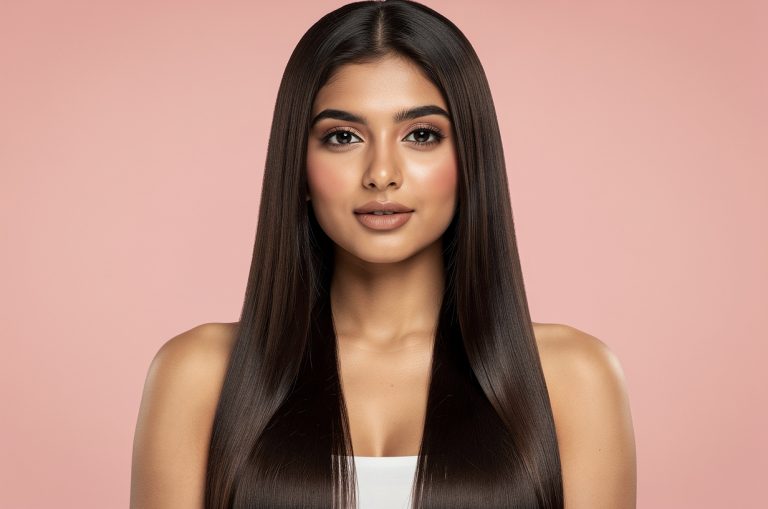
- 14-16 inches gives a subtle, natural blend for most hair lengths.
- 18-20 inches is the most popular range for noticeable but wearable length.
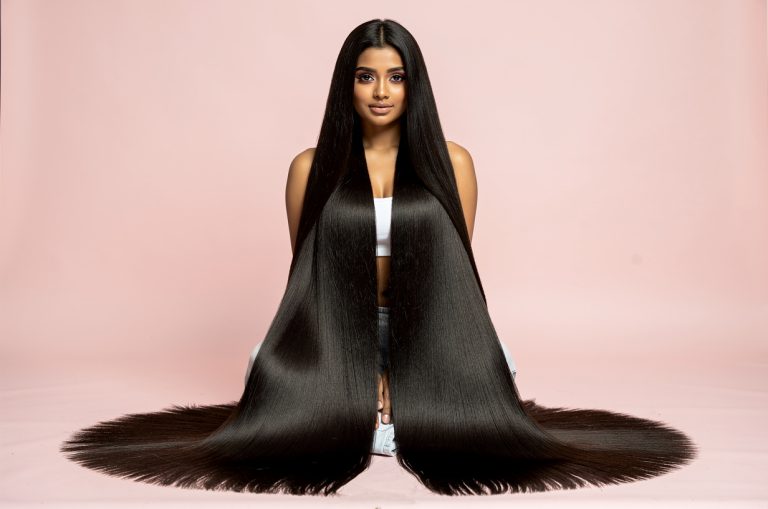
- 22-24+ inches creates dramatic, waist-length looks best suited to taller frames or bold statements.
- Always measure your goal length against your own body before ordering.
Quick Access
What I check before recommending Hair extension length guide
The first thing I check in any length guide is the gap between someone's current hair length and their goal. A two to four inch gap looks like a natural growth spurt and blends easily, while jumping six or more inches changes your whole silhouette and needs a well-matched, well-placed set to avoid looking obviously added.
Next I check height and frame, because the same 20-inch extension looks completely different on someone 5'2" versus someone 5'9". On a shorter frame, longer lengths read as more dramatic and can overwhelm the proportions, while a taller frame can carry more length before it looks like too much. There's no universal 'right' length, only what's right for your body.
Finally I check how the length interacts with layers and face-framing pieces. Extensions add length at the back and sides, but face-framing layers in your natural hair need to be considered too, since a big length jump can leave shorter layers looking oddly disconnected from the new length underneath.
Who Hair extension length guide suits best
A length guide matters most for anyone ordering extensions online without trying them on first, since inches on a page don't automatically translate to what you picture in your head. If you've never worn extensions before, starting with a moderate length is almost always the safer, more natural-looking choice.
If you already wear extensions regularly and know how a given length sits on you, you can shop with more confidence toward the dramatic end of the range. But for a first set, or a big change from your current length, working through a proper length guide first will save you a return or a set that just sits in a drawer.
Check Hair Extension Length Guide prices before you buy
If you're shopping for extensions, compare available lengths, weft weight and color match, plus recent buyer photos, before you spend.
- Length options in 2-inch increments
- Weight that matches your natural density
- Color and texture that blend seamlessly
- Recent real-life buyer reviews
Check today’s Amazon options →
As an Amazon Associate, The Swag Hair may earn from qualifying purchases.
Comparison guide
| Choice | Best for | Watch out for |
|---|---|---|
| 14-16 inches | Subtle blend, barely-there length boost | May not add much visible length if your hair is already long |
| 18-20 inches | Noticeable, wearable length for most people | Most popular range, so double check against your own height |
| 22-24 inches | Dramatic, waist-length statement looks | Best on taller frames; can overwhelm shorter heights |
| 26+ inches | Red-carpet, floor-length drama | Needs careful thinning and blending to avoid looking costume-like |
How to choose the right look
Start by measuring your current hair length from root to end, then decide how much longer you actually want to look, in inches, not just 'longer.' A realistic gap of 4-8 inches beyond your current length usually gives a noticeable but believable change for a first-time set.
Next, factor in your height. Shorter frames generally look most balanced with 16-20 inch extensions, while taller frames can carry 20-24 inches comfortably without the length looking disproportionate. This isn't a hard rule, but it's a useful starting point if you're unsure.
Finally, think about your end goal. If you want a subtle, 'is that even extensions?' look, stay closer to your natural length. If you want a dramatic transformation for a specific event or a bold new look, it's fine to size up, just go in expecting people to notice, because that's the point.
Buying checklist
| Check | Why it matters |
|---|---|
| Current hair length measured | You need a real baseline to calculate an accurate length gap. |
| Height and frame considered | The same inches look different on different body heights. |
| Goal length held up in a mirror | Visualizing with ribbon or string prevents ordering too long or too short. |
| Layers and face-framing pieces checked | A big length jump can leave short layers looking disconnected. |
| Occasion or everyday wear decided | Dramatic lengths suit events; subtle lengths suit daily wear. |
Maintenance that keeps the result pretty
Longer extensions need a little more care simply because there's more hair to manage. Brush from the ends up in sections, working upward gradually, since longer lengths tangle more easily at the bottom. A wide-tooth comb or loop brush is gentler than a standard brush for longer sets.
Wash less often than you might think, since over-washing longer extensions can lead to dryness at the ends and matting. When you do wash, focus shampoo at the roots and let conditioner do the work through the length, then let hair air-dry fully before storing to keep long wefts smooth and tangle-free for next time.
Common mistakes to avoid
The most common mistake is choosing the longest available length because it seems like the best value, without considering how it will actually look on your height and hair. This often results in extensions that look heavy, costume-like, or simply too long for the wearer's proportions.
The second mistake is ignoring the gap between current hair length and goal length. A jump of ten or more inches, while dramatic, is much harder to blend seamlessly and needs careful layering to avoid an obvious line where your natural hair ends and the extensions begin. When in doubt, a moderate length blended well always looks better than an extreme length blended poorly.
When to spend more and when to save
Spend on getting the length calculation right the first time, since ordering the wrong length and having to reorder costs more in the long run than taking ten minutes to measure properly. A length that suits your height and hair goals will get worn far more often than one that felt exciting on the size chart but wrong in the mirror.
Save by starting with a moderate length if you're new to extensions. You can always size up on a future purchase once you know how a given length actually feels and looks on you, rather than committing to the most dramatic option on your first try.
Final styling advice
Once your extensions are in, style your whole head together rather than treating the extensions as a separate piece. A loose curl or wave through the full length, natural hair and extensions combined, blends the ends and makes the overall length look cohesive rather than like two distinct sections.
Check your reflection from the side and back, not just the front, since length differences are often most visible from those angles. If the transition from your natural hair to the extensions looks smooth and the overall length feels balanced with your height, you've picked the right size.
Before you reach the FAQs, compare current Hair extension length guide options, reviews and prices side by side.
View Hair Extension Length Guide on Amazon →
As an Amazon Associate, The Swag Hair may earn from qualifying purchases.
FAQ
What length extensions should I get for a subtle look?
Choose a length only 2-4 inches longer than your current hair. This creates a natural-looking boost without an obvious jump in length.
What is the most popular hair extension length?
18-20 inches is the most commonly ordered range, since it offers noticeable length while remaining wearable and easy to blend for most heights.
How do I know if 22-24 inch extensions are too long for me?
Hold a ribbon at that length against your body in a mirror. If it falls well past your natural proportions or overwhelms your frame, size down.
Does height affect what length I should choose?
Yes. Shorter frames generally look best with 16-20 inches, while taller frames can comfortably carry 20-24 inches without the length looking disproportionate.
Can I mix extension lengths?
Yes, some sets are designed with graduated weft lengths to create natural layering, which can look more seamless than one uniform length throughout.
Final verdict
A good hair extension length guide comes down to comparing your current length, your height, and how dramatic a change you actually want, not just picking the biggest number on a size chart. Measure honestly, hold your goal length up in the mirror, and lean moderate if you're unsure. Get the length right and everything else, from blending to styling, becomes so much easier.