Hairstyles for Thin Hair That Add Real Volume
When I talk about hairstyles for thin hair, I always start with the same honest question: will this style make your hair look fuller in real life, or only in a perfectly lit photo? Thin hair is not a flaw to hide. It is light, soft, quick to style and easy to move. The real skill is choosing shapes and habits that create the illusion of density instead of fighting your natural texture, because the wrong cut can make fine hair look even flatter than it already is.
I like to treat fine hair as a styling decision and a maintenance decision at the same time. A cut that looks impressively full on the morning you leave the salon can fall completely flat by lunchtime if the routine behind it is wrong. Volume that lasts is built from a good shape, the right drying technique and light products, not from one miracle bottle. When those three things line up, even very fine hair can look thick, healthy and intentional.
In this guide I use the same practical template I use across The Swag Hair: clear takeaways, honest checks, a comparison table, a buying checklist, real maintenance notes, FAQ answers and no dramatic promises. My goal is to help you pick a style you can actually keep up with, so your hair looks fuller on a normal Tuesday and not just on the day of a special event.
Compare Hairstyles For Thin Hair options
If you’re shopping for products to add volume to thin hair, compare more than the prettiest bottle. Look at weight, ingredients, reviews and whether it genuinely suits fine strands before spending money.
- Lightweight, root-lifting formulas
- No heavy oils or silicones that flatten
- Texture and hold for your hair type
- Recent reviews from fine-haired buyers
Compare Hairstyles For Thin Hair on Amazon →
As an Amazon Associate, The Swag Hair may earn from qualifying purchases.
Key Takeaways
- Structure beats product: a blunt, well-shaped cut creates more visible fullness than any single styling product.
- Lift at the root is where thin hair wins or loses, so style and dry with the roots in mind first.
- Lighter formulas work far better than heavy oils, which flatten fine strands within hours.
- Movement and texture (soft waves, layers, gentle bends) read as density much more than dead-straight length.
- If a style takes more than a few minutes to maintain daily, you probably won’t keep it up, so choose realistically.
Quick Access
What I check before recommending HairStyles for thin hair
The first thing I check is your natural hair condition. If your hair is fine and also fragile, recently coloured, heat-damaged or breaking around the hairline, the priority is gentle styling and lightweight root lift rather than heavy length or constant hot tools. Pushing damaged fine hair into a dramatic style usually backfires, because the ends look thin and stressed no matter how you style them. Healthy fine hair, on the other hand, gives you far more freedom: longer layers, more volume and the occasional heat-styled look.
The second check is your real week, not your ideal week. Someone who washes daily, works out, or sleeps hot needs a lower-maintenance shape than someone who styles mainly for events. I also ask how many minutes you will genuinely spend on your hair each morning. Beautiful volume is only worth it if it still fits the routine you actually have, because a style you resent is a style you will stop wearing.
Finally, I check your growth pattern, parting and crown. Fine hair tends to fall flattest at the roots and around the crown, so that is where any style has to earn its volume. If your hair separates at the part or goes limp on top by midday, the fix is usually technique and product placement at the scalp, not more length or more product on the ends.
Who HairStyles for thin hair suits best
Volume-focused hairstyles for thin hair suit anyone who wants a polished, fuller finish but still cares about comfort and easy upkeep. They work especially well when the cut, parting and drying technique are all chosen with fine hair in mind. If you want everyday hair, focus on soft layers, a lifted root and a low-effort finish you can recreate in a few minutes. If you want event hair, you can go bigger with waves and teasing, as long as the base shape supports it.
These styles may not suit you if you refuse any maintenance, never blow-dry, or expect a product alone to transform flat hair without a supporting cut. Fine hair responds to technique more than almost any other hair type. Even the best volumizer cannot replace a good shape and a few minutes of lift at the root, so the readers who get the best results are the ones willing to change how they dry and style, not just what they buy.
Check Hairstyles For Thin Hair prices before you buy
If you’re shopping for products to add volume to thin hair, compare more than the prettiest bottle. Look at weight, ingredients, reviews and whether it genuinely suits fine strands before spending money.
- Lightweight, root-lifting formulas
- No heavy oils or silicones that flatten
- Texture and hold for your hair type
- Recent reviews from fine-haired buyers
Check today’s Amazon options →
As an Amazon Associate, The Swag Hair may earn from qualifying purchases.
Comparison guide
| Choice | Best for | Watch out for |
|---|---|---|
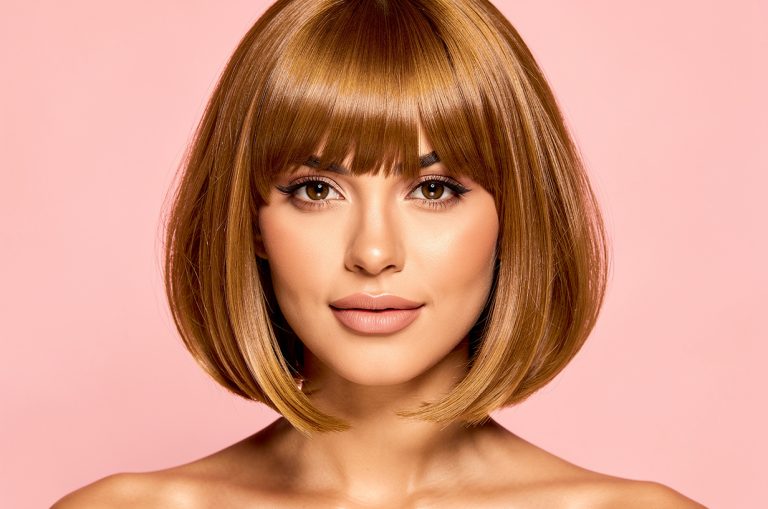
| Short blunt bob | Maximum visible fullness with minimal effort | Needs regular trims to keep the blunt edge crisp |
| Mid-length layers | Movement and body without losing length | Over-layering can thin the ends out further |
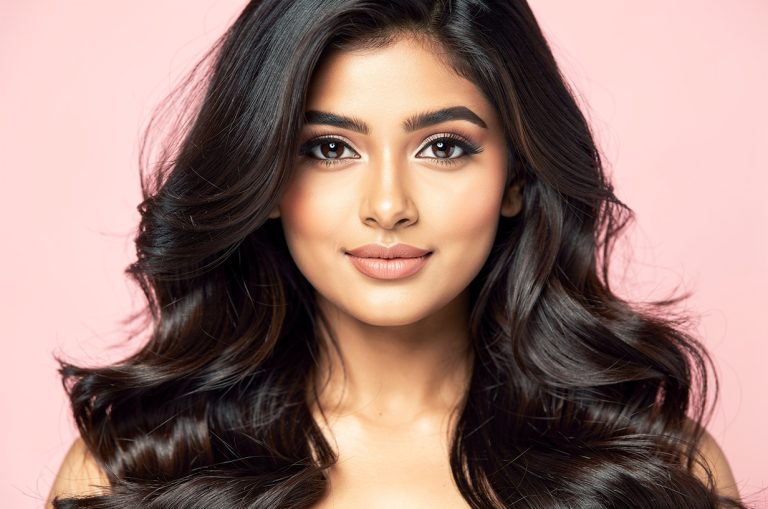
| Long with deep side part | Keeping length while adding crown lift | Can look flat without root volume and soft waves |
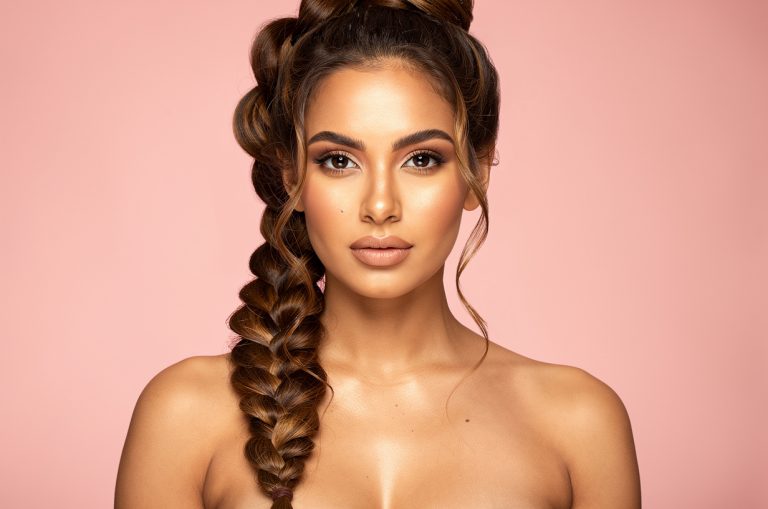
| Textured updo / half-up | Events and instant volume in minutes | Too-tight styles flatten and stress fine strands |
How to choose the right look
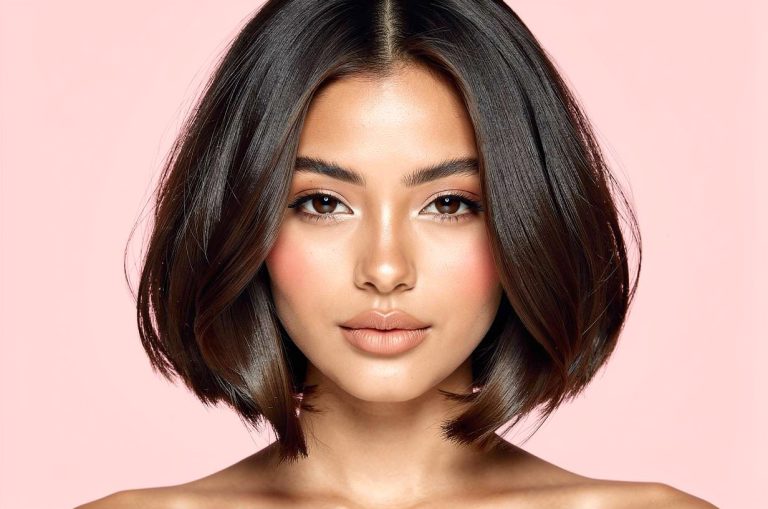
Start by matching the shape to your face and your effort level, not to a celebrity photo. A blunt bob is the single most reliable choice for fine hair because the solid, weighty perimeter reads as thickness from every angle. If you want to keep length, build in soft, face-framing layers and commit to adding a little wave, because flat straight length is exactly what makes thin hair look thinnest. Choose a shape you can style on an average morning, not one that only works with a full salon blowout.
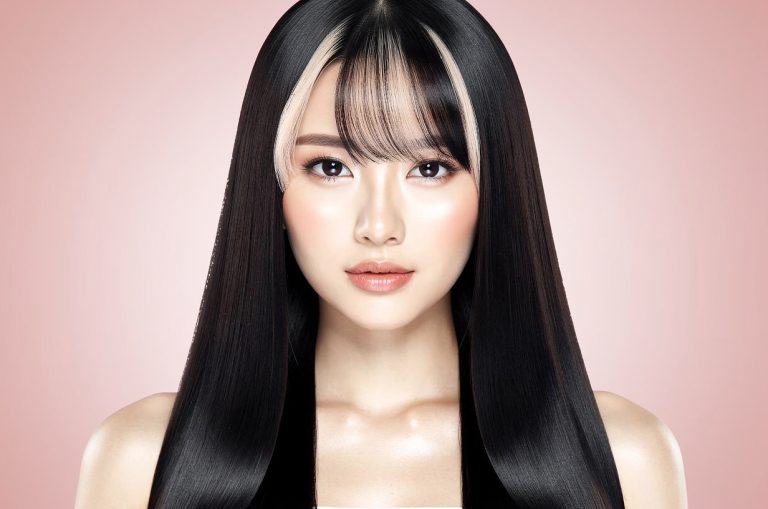
Next, think about your parting and your crown, because that is where fine hair lives or dies. A deep side part instantly lifts the roots and adds asymmetry that fakes volume, while a zig-zag part hides scalp show-through. Curtain bangs and gentle bends around the face create dimension right where eyes land first. These small choices at the top of the head do more for fullness than anything you do to the ends, so prioritise them when you decide on a style.
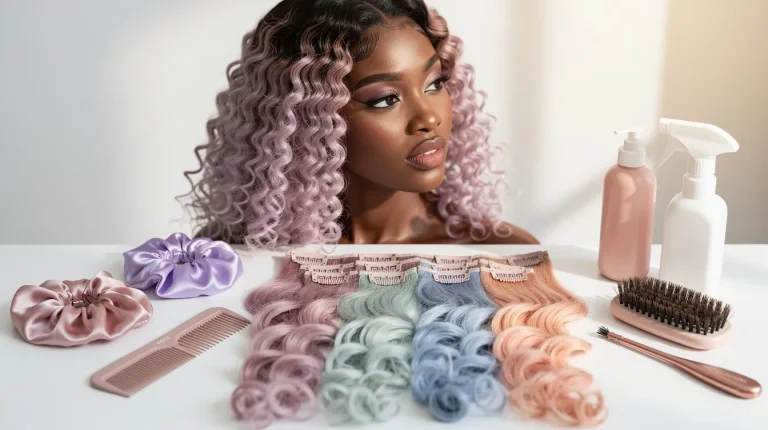
Finally, be realistic about colour and finish. Single, flat block colour can make fine hair look thinner, while soft dimension, balayage or subtle root shadow creates the impression of depth and density. A glossy, healthy finish also reflects light in a way that reads as fuller, so a shine-supporting routine quietly helps your style look thicker without any extra volume at all.
Buying checklist
| Check | Why it matters |
|---|---|
| Blunt vs. layered ends | Blunt perimeters read as fuller; heavy internal layering can thin fine ends. |
| Root-lift product weight | Lightweight mousses and sprays lift; heavy oils and creams flatten. |
| Drying technique | Drying upside down or with a round brush builds lasting root volume. |
| Parting | A deep or zig-zag part adds instant crown height and hides scalp. |
| Trim schedule | Fine hair looks healthiest and fullest with regular dusting of the ends. |
Maintenance that keeps the result pretty
The fullest results usually come from boring habits repeated consistently. Use a volumizing or thickening shampoo, keep conditioner on the mid-lengths and ends only, and dry the roots properly rather than letting them air-dry flat against your scalp. A quick blast with your head flipped upside down, or a round brush lifting at the crown, changes the whole shape of the day. These two minutes of root drying do more for volume than almost anything you can buy.
Product choice matters just as much as technique. A lightweight root-lift mousse or a thickening spray applied only at the roots will outperform a shelf full of heavy serums. Keep oils strictly to the very ends, avoid piling on multiple leave-ins, and reach for dry shampoo or a texture spray to revive lift between washes. Refreshing the roots on day two or three is often the difference between hair that looks full all week and hair that looks flat by the second morning.
Common mistakes to avoid
The biggest mistake with fine hair is chasing length at the expense of fullness. Long, thin ends almost always look less healthy than a shorter shape with strong, blunt edges, yet many people hold on to length that is working against them. Another common mistake is loading on heavy conditioner, oil or rich cream from root to tip, which weighs the hair down and erases any lift you worked to create. With fine hair, less product placed more carefully nearly always beats more product applied everywhere.
I also see people skip the root entirely, styling only the lengths and then wondering why the hair still looks flat on top. Volume for thin hair is built at the scalp first, then the rest of the style has something to stand on. The last mistake is over-washing with harsh clarifying products or over-styling with high heat and no protectant, both of which leave fine hair drier, more brittle and even less able to hold volume over time.
When to spend more and when to save
Spend a little more on the two things that do the heavy lifting for fine hair: a good cut and one quality lightweight volumizer. A precise blunt or layered shape from a stylist who genuinely understands thin hair is worth every penny, because it works for weeks and makes your daily styling far easier. The right root-lift product is the other place worth investing, since cheap, heavy formulas often flatten the very volume you are trying to create.
Save on almost everything else. Fine hair does not need ten products or expensive heavy treatments, and many rich masks and oils actively work against it. A volumizing shampoo, a root-lift product, a heat protectant and an occasional texture or dry-shampoo refresh are plenty for most people. Put your money into the cut and one or two well-chosen products, and skip the rest without losing any fullness.
Final styling advice
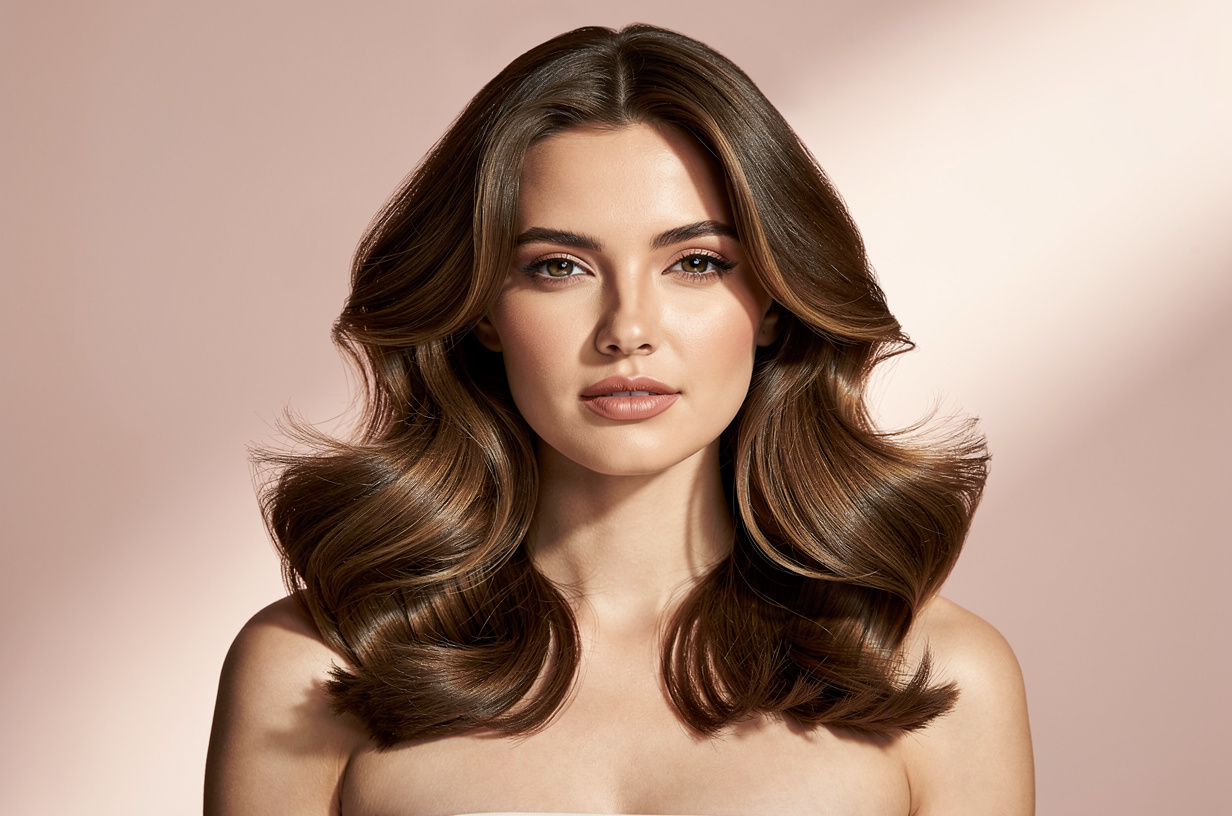
After choosing your shape, plan the finishing details that sell the volume. Soft waves, a deep part, a little gentle teasing at the crown, or a quick face-framing trim can completely change how full the hair looks. Fine hair rarely looks its best dead-straight and untouched, and that is not a flaw, it is simply how you build the illusion of density. A bend through the mid-lengths catches light and adds the visual width that flat hair lacks.
Before an event, check the volume while moving, not only while standing still in front of the mirror. Turn your head, look at the back and sides, and notice whether the lift holds. A style that keeps its body when you move is the one that will look full in real life, in photos and at the end of a long day, which is the only test that really matters.
Before you reach the FAQs, compare current HairStyles for thin hair options, reviews and prices side by side.
View Hairstyles For Thin Hair on Amazon →
As an Amazon Associate, The Swag Hair may earn from qualifying purchases.
FAQ
What is the best hairstyle for thin hair?
A blunt bob or lob is usually the most flattering, because the solid perimeter reads as fullness from every angle. If you want length, soft layers with a deep side part and a little wave are the next best choice, since movement fakes density better than flat, straight length.
Do layers help or hurt thin hair?
Soft, strategic layers add movement and body, but heavy or over-thinned layers can make fine ends look stringy and sparse. The goal is gentle shaping that builds the illusion of fullness, not removing bulk that thin hair cannot spare.
How do I add volume without damaging thin hair?
Lift at the root with lightweight products, dry upside down or with a round brush, and always use a heat protectant when you style. Avoid heavy oils and high heat without protection, because real, lasting volume comes from technique rather than aggressive styling.
Should I keep thin hair long or short?
Shorter shapes usually look fuller because the ends stay strong and blunt, but you can keep length if you add layers, waves and root volume. What you want to avoid is long, flat, dead-straight lengths with thin, wispy ends, which emphasise sparseness.
How can I make thin hairstyles last all day?
Dry the roots fully, use a root-lift product, add a little texture or wave, and refresh with dry shampoo as needed. Most midday flatness comes from product weight or under-dried roots, so fixing those two things keeps volume going far longer.
Final verdict
Hairstyles for thin hair work best when they are matched to your real hair condition, your routine and the amount of upkeep you will actually do. Choose a shape with structure, build volume at the root, keep your products light and add a little texture or wave to fake density. Do that consistently and fine hair stops looking flat and starts looking full, polished and completely intentional, not just on event days but every single morning.