Types of Hair Extensions Explained: Clip-In, Tape-In, Sew-In and More
The main types of hair extensions can look similar in finished photos, but they behave very differently in real life. The attachment method changes how long they last, how they feel, how you wash them and how much maintenance they need.
When I compare extensions, I do not ask “Which one is best?” first. I ask, “Best for whom?” A student who wants weekend volume, a bride who wants one perfect day and someone who wants daily length for months may need three different methods.
Here is the clear breakdown I would use before choosing.
Compare Types Of Hair Extensions options
If you’re deciding on types of hair extensions, compare more than the first pretty result. Look at texture, comfort, maintenance, return policies and recent buyer photos before spending money.
- Texture, color and length match
- Comfort, tension and daily wear
- Care tools, storage and maintenance
- Recent reviews and return policy
Compare Types Of Hair Extensions on Amazon →
As an Amazon Associate, The Swag Hair may earn from qualifying purchases.
Key Takeaways
- Clip-ins are best for removable, low-commitment volume.
- Tape-ins are popular for flatter, natural-looking semi-permanent wear.
- Sew-ins and wefts suit fuller hair and protective styles.
- I-tips and microlinks offer movement but need professional care.
- The right type depends on hair density, budget and routine.
Quick Access
- Clip-in extensions
- Tape-in extensions
- Sew-ins and wefts
- I-tip and microlink extensions
- Halo extensions
- Human hair vs synthetic
- How to choose
Clip-In Extensions
Clip-ins are wefts of hair with small clips sewn along the top. You open the clips, attach them near the roots and remove them before sleeping. They are the easiest method to test because you are not committing to salon installation.
I like clip-ins for events, photos, weekends and beginners who want to practise blending. The downside is that clips can show if they are placed too high or if the set is too bulky for fine hair.
Tape-In Extensions
Tape-ins use slim adhesive tabs that sandwich small sections of your natural hair. When placed well, they can lie very flat and look more seamless than clip-ins.
They are not a lazy option though. You need gentle washing, careful brushing and maintenance appointments as your hair grows. Heavy oils and conditioners near the tape can shorten wear time.
Sew-Ins and Weft Extensions
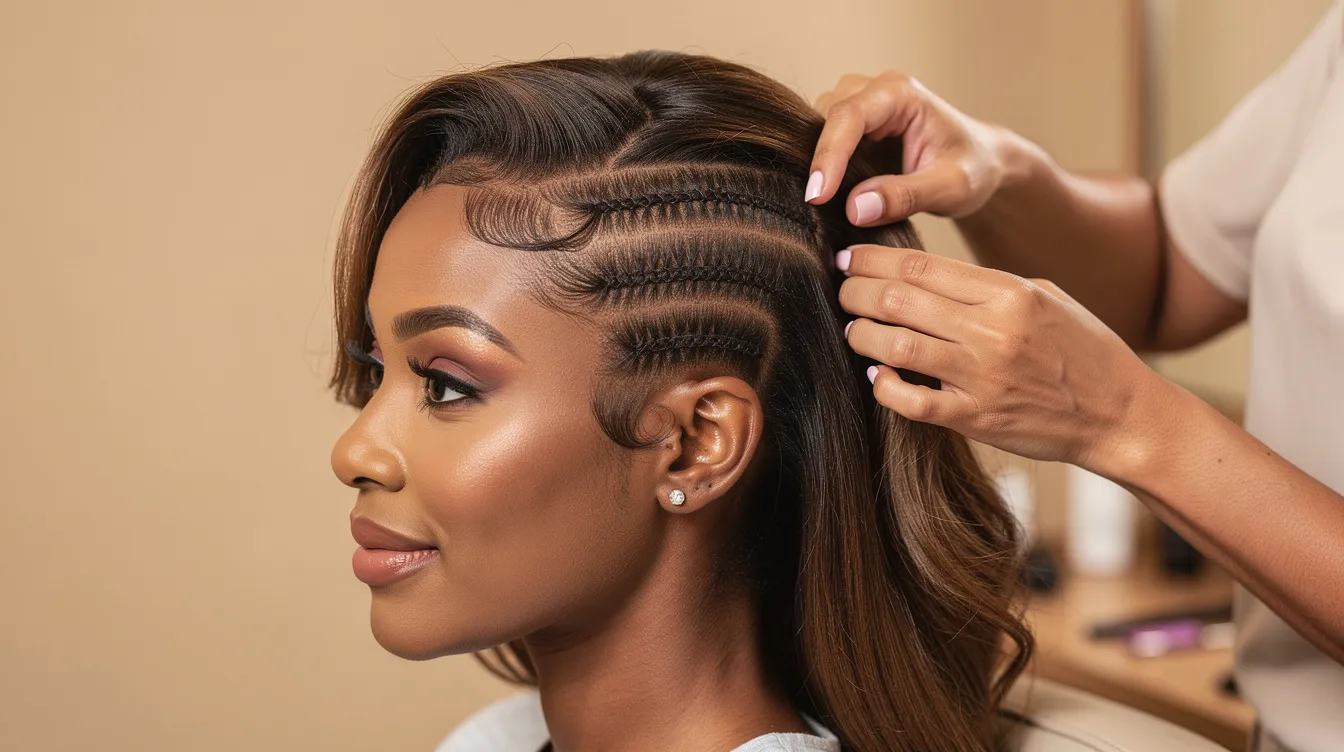
Sew-ins involve attaching wefts to braided or beaded foundations. They can create serious fullness and are often chosen for thicker, textured or protective-style routines.
The key is tension. A sew-in should feel secure, not painful. If your scalp feels tight for days, that is not something to ignore.
A secure install should not feel like punishment. Comfort is part of a good result.
I-Tip and Microlink Extensions
I-tips and microlinks attach small strands using beads rather than glue or tape. They can move naturally because the hair is installed in smaller pieces.
They take longer to apply and maintain. I would not choose them casually if your hair is fragile, shedding heavily or breaking around the hairline.
Halo Extensions
Halo extensions sit on a clear wire around the head, with your natural hair covering the wire. They are temporary and avoid clips on the roots, which some people find more comfortable.
They work best when the colour and length are close enough to blend without too much styling. They may not feel secure enough for every hairstyle.
| Type | Commitment | Best For |
|---|---|---|
| Clip-in | Low | Beginners and occasional wear |
| Tape-in | Medium | Flat natural everyday wear |
| Sew-in/weft | Medium to high | Fullness and textured hair routines |
| I-tip/microlink | High | Custom strand-by-strand movement |
| Halo | Low | Quick volume without clips |
Human Hair vs Synthetic Hair
Human hair usually looks and moves more naturally. It can often be curled or straightened, although you still need heat protection and product care.
Synthetic hair is more affordable and can be useful for occasional styles, but heat limits and shine can make blending harder. Always check the product instructions.
How I Would Choose
- Decide whether you want temporary or semi-permanent hair.
- Match your texture before choosing length.
- Choose a method your routine can realistically maintain.
- Check grams, colour options and return policy.
- Ask a stylist before choosing tension-based methods if your hair is fragile.
| Hair Situation | Better Starting Point | Why |
|---|---|---|
| Fine hair | Light clip-ins or careful tape-ins | Less bulk at the roots |
| Thick hair | Wefts or higher-gram sets | Enough fullness to blend |
| Curly/textured hair | Texture-matched wefts or clip-ins | Better pattern match |
| First-time buyer | Clip-ins | Lower risk and removable |
How Each Type Feels Day to Day
The finished hairstyle matters, but daily comfort matters just as much. Clip-ins are easy because you can remove them whenever you want, but you have to spend time placing them each time. Tape-ins feel more like your own hair once installed, but you need to think about them when washing, brushing and applying conditioner.
Sew-ins can feel very secure, which many people love, but the foundation must be comfortable. I-tips and microlinks can move beautifully, yet they require patience because there are many small attachment points to maintain.
This is why I always match the method to the person first. Someone who hates salon appointments should not choose a high-maintenance method just because it looks seamless online.
Questions to Ask a Stylist
- Is my hair dense enough for this method?
- Will the attachment points show through my top layers?
- How often will I need maintenance?
- What products should I avoid?
- How should the extensions be removed safely?
My Simple Rule for Comparing Methods
If two methods both look beautiful, choose the one with the easiest maintenance for your real life. A slightly less seamless method that you can care for properly will usually look better after four weeks than a perfect-looking method you cannot maintain.
I also pay attention to removal. Extensions should come out safely and calmly, not with panic, pulling or broken hair. That is especially important with tape, beads and sewn foundations.
Check Types Of Hair Extensions prices before you buy
If you’re deciding on types of hair extensions, compare more than the first pretty result. Look at texture, comfort, maintenance, return policies and recent buyer photos before spending money.
- Texture, color and length match
- Comfort, tension and daily wear
- Care tools, storage and maintenance
- Recent reviews and return policy
Check today’s Amazon options →
As an Amazon Associate, The Swag Hair may earn from qualifying purchases.
Related Hair Guides
Use these related guides to compare options, avoid common mistakes and choose the best next step for your hair routine.
- How Long Do Hair Extensions Last? Clip-Ins, Tape-Ins and Sew-Ins — Hair Care & Maintenance, Hair Extension Guides
- How Do Tape-In Hair Extensions Work? A Beginner-Friendly Guide — Hair Extension Guides, Tape-In Extensions
- Clip-In vs Tape-In vs Sew-In Hair Extensions: Which Is Best? — Buying Guides, Clip-In Extensions
- Clip-In Extensions Pros and Cons: Are They Worth It? — Clip-In Extensions, Hair Extension Guides
- Hair Extension Length Chart: How to Choose the Right Inches — Hair Extension Guides
Before you reach the FAQs, compare current types of hair extensions options, reviews and prices side by side.
View Types Of Hair Extensions on Amazon →
As an Amazon Associate, The Swag Hair may earn from qualifying purchases.
FAQs
Which type of hair extension lasts longest?
Sew-ins, I-tips and microlinks can last longer between full replacements, but they need maintenance. The hair quality and care routine matter as much as the method.
Which extensions look most natural?
Tape-ins, microlinks and well-matched clip-ins can all look natural. The best result depends on placement, texture match and density.
Are clip-ins better than tape-ins?
Clip-ins are better for temporary wear. Tape-ins are better if you want flatter semi-permanent hair and are willing to maintain them.
What type should I avoid?
Avoid any method that is too heavy for your hair, too tight on your scalp or too demanding for your routine.
Final Verdict
My personal take
There is no single best type of extension. There is only the best match for your hair, budget and patience level.
What I’d do next
If you are unsure, start with temporary hair first. Once you know what length and texture you like, it is easier to invest in a salon method confidently.