Hair Extension Length Chart: How to Choose the Right Inches
A hair extension length chart is useful, but it does not tell the whole story. Inches look different depending on your height, curl pattern, natural hair length and where the extensions are installed.
I have seen people choose 24 inches because it looked glamorous online, then realise it felt too long for their everyday routine. I have also seen 16 inches look incredibly polished because the blend was perfect.
This guide will help you choose inches in a practical way, not just a dramatic way.
Compare Hair Extension Length Chart options
If you’re deciding on hair extension length chart, compare more than the first pretty result. Look at texture, comfort, maintenance, return policies and recent buyer photos before spending money.
- Texture, color and length match
- Comfort, tension and daily wear
- Care tools, storage and maintenance
- Recent reviews and return policy
Compare Hair Extension Length Chart on Amazon →
As an Amazon Associate, The Swag Hair may earn from qualifying purchases.
Key Takeaways
- 12–14 inches usually gives subtle length or fullness.
- 16–18 inches is a natural first extension range for many people.
- 20–22 inches feels more glamorous and needs better blending.
- Curly hair appears shorter than straight hair at the same inch length.
- Your height changes where extensions fall on your body.
Quick Access
- How inches are measured
- Common extension lengths
- Straight vs curly length
- Choosing by height
- Choosing by natural hair length
- Mistakes to avoid
- FAQs
How Hair Extension Length Is Measured
Extension length is usually measured when the hair is pulled straight from top to ends. That means wavy or curly extensions may appear shorter when worn in their natural texture.
This is one reason two people can buy the same length and get different visual results. Texture changes everything.
Common Extension Lengths
| Length | Typical Look | Best For |
|---|---|---|
| 12 inches | Around shoulders on many people | Volume and subtle fullness |
| 14 inches | Shoulder to upper chest | Natural everyday change |
| 16 inches | Chest area on many people | Beginner-friendly length |
| 18 inches | Below chest on many people | Soft glam without going extreme |
| 20–22 inches | Long, noticeable hair | Glam styles and fuller looks |
| 24+ inches | Very long statement hair | High-maintenance dramatic styles |
Straight, Wavy and Curly Lengths
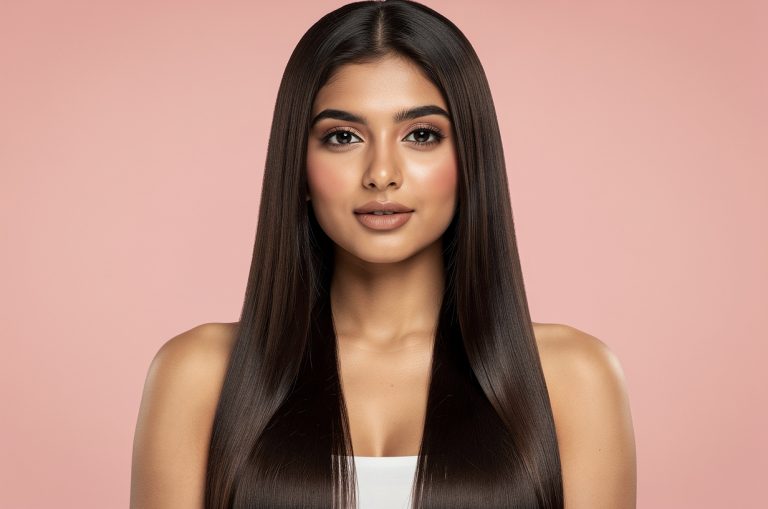
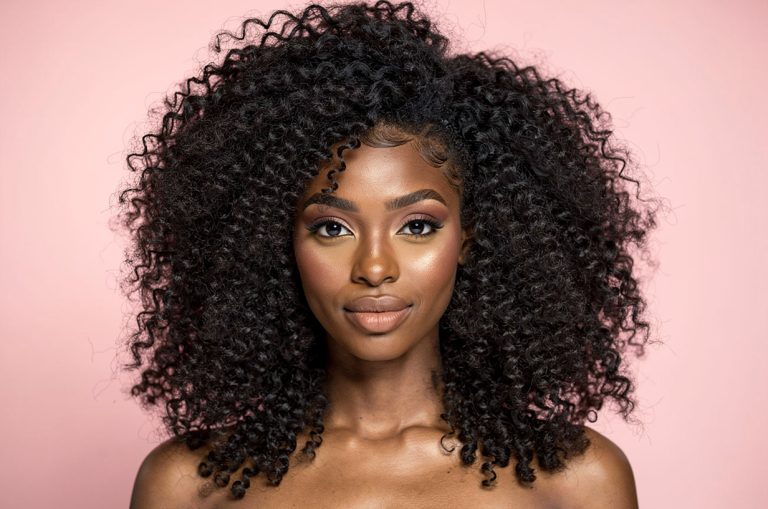
Straight hair shows the full length most clearly. Wavy hair shrinks slightly because of the bend. Curly hair can look several inches shorter visually because the pattern pulls the hair upward.
If you are buying curly extensions, do not judge only by the listed inches. Look at customer photos with similar curl patterns if available.
The same inches can tell three different stories on straight, wavy and curly hair.
Choose Length Based on Your Current Hair
If your natural hair is much shorter than the extensions, blending becomes harder. A blunt bob, for example, can create a visible shelf unless the extensions are layered or thick enough.
A smaller jump usually looks more natural. Going from shoulder length to 16 or 18 inches is easier than jumping straight to waist-length hair.
Choose Length Based on Your Height
Petite readers may find that 20 inches looks very long, while taller readers may find the same length more moderate. This is why I never choose by inches alone.
Think about where you want the hair to fall: collarbone, chest, below chest or waist. That visual goal is more helpful than a number by itself.
How Grams Affect Length
Long hair needs enough grams so the ends do not look thin. A 22-inch set with low grams can look stringy, while an 18-inch set with good fullness may look healthier.
| Goal | Better Length Range | What To Watch |
|---|---|---|
| Subtle fullness | 12–14 inches | Match density |
| Natural longer hair | 16–18 inches | Blend the ends |
| Glam length | 20–22 inches | Need enough grams |
| Statement hair | 24+ inches | Higher maintenance |
Mistakes I Would Avoid
- Choosing the longest length before checking grams.
- Ignoring curl shrinkage.
- Forgetting your height changes the look.
- Buying very long hair for a blunt short cut without planning layers.
- Choosing length before matching texture.
My Practical Length Rule
If you are unsure, choose the shortest length that still gives you the change you want. Shorter, fuller extensions often look more expensive than longer, thinner ones.
For a first set, I would usually compare 16 and 18 inches before going longer. Those lengths are flexible, wearable and easier to blend for many people.
How to Test a Length Before Buying
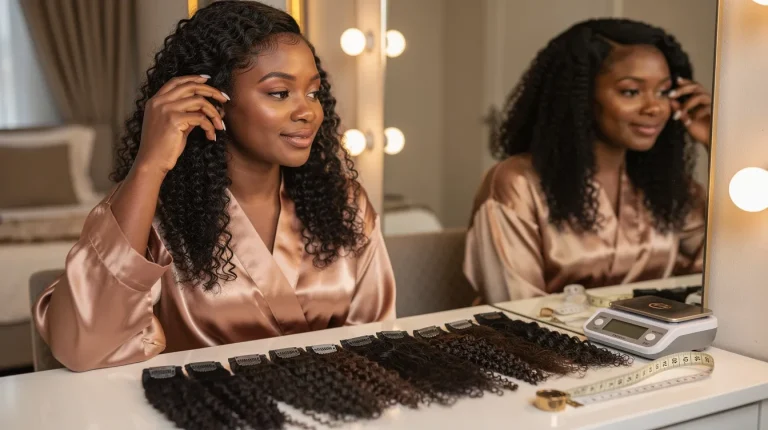
If you are unsure about inches, use your own body as the guide. Stand in front of a mirror and mark where collarbone, chest, below-chest and waist lengths fall on you. This gives you a clearer idea than staring at a chart alone.
You can also hold a measuring tape from around where the extensions would sit near your roots and let it fall naturally. It is not perfect, but it helps you see whether 18 inches feels wearable or whether 22 inches is closer to the look you imagined.
I would also think about your daily clothes and routine. Very long hair can catch in bag straps, need more detangling and take longer to style. That may be worth it, but it should be a choice, not a surprise.
When to Size Down
- Your natural hair is blunt and short.
- Your hair is very fine at the ends.
- You want everyday hair, not only photo hair.
- You are buying extensions for the first time.
- You are unsure whether you will maintain longer hair properly.
Length and Layers Work Together
Layers can make a big difference when extensions are longer than your natural hair. Without shaping, your real hair may sit like a shorter layer on top of the extensions, especially if your haircut is blunt.
If you plan to wear longer extensions often, I would consider a light face-framing trim or soft blending layers from a stylist. The goal is not to cut away the length; it is to make the transition look intentional.
Check Hair Extension Length Chart prices before you buy
If you’re deciding on hair extension length chart, compare more than the first pretty result. Look at texture, comfort, maintenance, return policies and recent buyer photos before spending money.
- Texture, color and length match
- Comfort, tension and daily wear
- Care tools, storage and maintenance
- Recent reviews and return policy
Check today’s Amazon options →
As an Amazon Associate, The Swag Hair may earn from qualifying purchases.
Related Hair Guides
Use these related guides to compare options, avoid common mistakes and choose the best next step for your hair routine.
- How Many Grams of Hair Extensions Do You Need? — Hair Extension Guides, Human Hair Extensions
- Best Hair Extensions for Thin Hair: 2026 Guide — Buying Guides, Hair Extension Guides
- How Do Tape-In Hair Extensions Work? A Beginner-Friendly Guide — Hair Extension Guides, Tape-In Extensions
- How Long Do Hair Extensions Last? Clip-Ins, Tape-Ins and Sew-Ins — Hair Care & Maintenance, Hair Extension Guides
- Clip-In vs Tape-In vs Sew-In Hair Extensions: Which Is Best? — Buying Guides, Clip-In Extensions
Before you reach the FAQs, compare current hair extension length chart options, reviews and prices side by side.
View Hair Extension Length Chart on Amazon →
As an Amazon Associate, The Swag Hair may earn from qualifying purchases.
FAQs
What is the most natural hair extension length?
For many beginners, 16 to 18 inches looks natural because it gives visible length without becoming difficult to blend.
Do curly extensions look shorter?
Yes. Curly and wavy extensions usually appear shorter than straight extensions of the same measured length.
Is 20 inches too long?
Not necessarily. It depends on your height, natural hair length and grams. On some people it looks glam; on others it looks very long.
Should I choose length or grams first?
Choose the look you want, but do not ignore grams. Longer hair needs enough fullness to avoid thin ends.
Final Verdict
My personal take
A length chart is a guide, not a rule. The best length is the one that blends with your real hair and still feels practical for your daily life.
What I’d do next
Compare 16, 18 and 20 inches against your height and current hair length, then choose the option that gives you the prettiest blend rather than the biggest number.