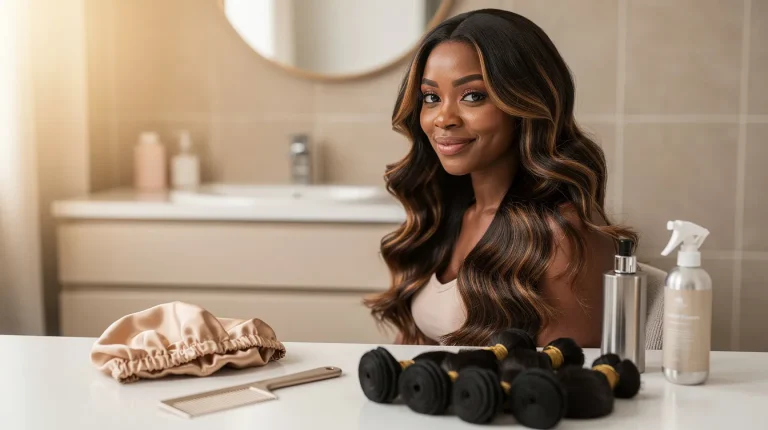
Natural-Looking Hair Extension Ideas That Fool Everyone
The whole goal of natural-looking hair extension ideas is simple: nobody should be able to tell. When extensions are done well, people just think your hair looks amazing today. When they are done badly, the eye snags on a hard line, a too-shiny patch or a shade that does not quite belong. The good news is that natural-looking results are far more about smart choices than expensive hair.
Over the years I have learned that three things make or break a natural look: color blending, texture matching and placement. Get those right and even an affordable set can look seamless. Get them wrong and the most expensive hair in the world still looks like a wig. So this guide is built around those fundamentals, with real examples and the small tricks stylists use to make extensions disappear into your own hair.
As always, I am keeping it practical with clear takeaways, a comparison table, a buying checklist, maintenance notes and FAQ answers. No drama, just the honest details that help your extensions look like hair you grew yourself.
Compare Natural-looking Hair Extension Ideas options
If you’re shopping for natural-looking extensions, compare color dimension, texture match and weight, plus recent buyer photos, before you spend.
- Rooted or multi-tone color, not flat block
- Texture that matches your own hair
- Lightweight, seamless wefts
- Recent real-life buyer reviews
Compare Natural-looking Hair Extension Ideas on Amazon →
As an Amazon Associate, The Swag Hair may earn from qualifying purchases.
Key Takeaways
- Color blending matters most: rooted or multi-tone shades look far more natural than flat block color.
- Match texture to your own hair, including how it behaves after washing, not just when styled.
- Placement is key; extensions should sit below your natural hair so nothing peeks out.
- Lightweight, seamless wefts disappear better than thick, heavy ones.
- A little dimension, movement and face-framing makes any set look like it grew there.
Quick Access
What I check before recommending Natural-looking hair extension ideas
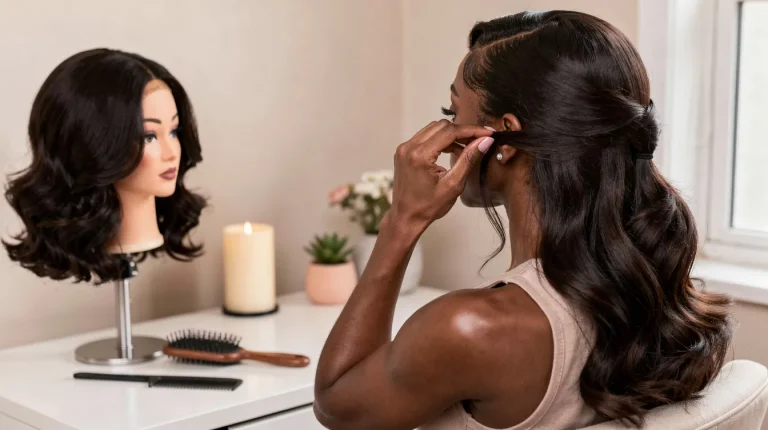
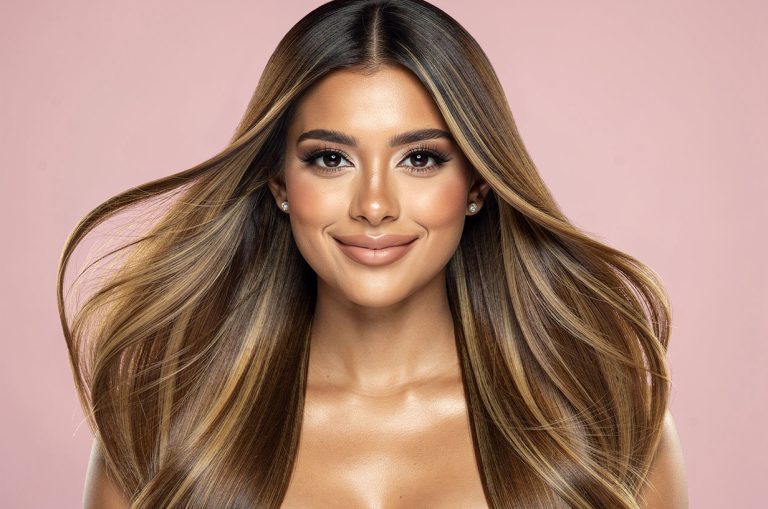
The first thing I check is your color in real light. Most extensions look obvious because the shade is flat or slightly off at the roots. Natural hair has dimension, so I look for rooted shades, subtle balayage or a multi-tonal blend that matches not just your mid-lengths but your roots and undertones too. Checking color in daylight, indoor light and a phone camera catches mismatches before they cost you.
Next I check texture, because this is the giveaway people forget. If your hair is wavy, straight extensions will separate from it the moment it air-dries. I match the wave pattern and the shine level, and I always think about how the hair behaves after washing, not just how it looks freshly styled in the packet.
Finally I check placement and density. Natural results come from sitting extensions slightly below your own hair so your real hair covers the wefts, and from choosing a density that suits your natural fullness. Overloading thin hair with heavy wefts is one of the fastest ways to look obvious and feel uncomfortable.
Who Natural-looking hair extension ideas suits best
Natural-looking extension ideas suit absolutely everyone, because the principles are universal: blend the color, match the texture and place the hair thoughtfully. They are especially valuable if you want extra length or fullness for everyday life and never want anyone to know it is not all yours.
These ideas may not suit you only if you want a very obvious, dramatic transformation as a style statement, which is a totally valid choice too. But if your goal is hair that simply looks like your best natural hair, focusing on blending and placement will get you there far more reliably than spending more money.
Check Natural-looking Hair Extension Ideas prices before you buy
If you’re shopping for natural-looking extensions, compare color dimension, texture match and weight, plus recent buyer photos, before you spend.
- Rooted or multi-tone color, not flat block
- Texture that matches your own hair
- Lightweight, seamless wefts
- Recent real-life buyer reviews
Check today’s Amazon options →
As an Amazon Associate, The Swag Hair may earn from qualifying purchases.
Comparison guide
| Choice | Best for | Watch out for |
|---|---|---|
| Tape-in extensions | Seamless, flat, undetectable everyday wear | Needs professional moves-up every few weeks |
| Hand-tied wefts | Very natural, lightweight fullness | Requires a skilled stylist to install well |
| Clip-ins (rooted color) | Natural look with full control and no commitment | Placement and color matching are up to you |
| Halo / wire | Quick, low-tension natural length | Best for length; less seamless for heavy density |
How to choose the right look
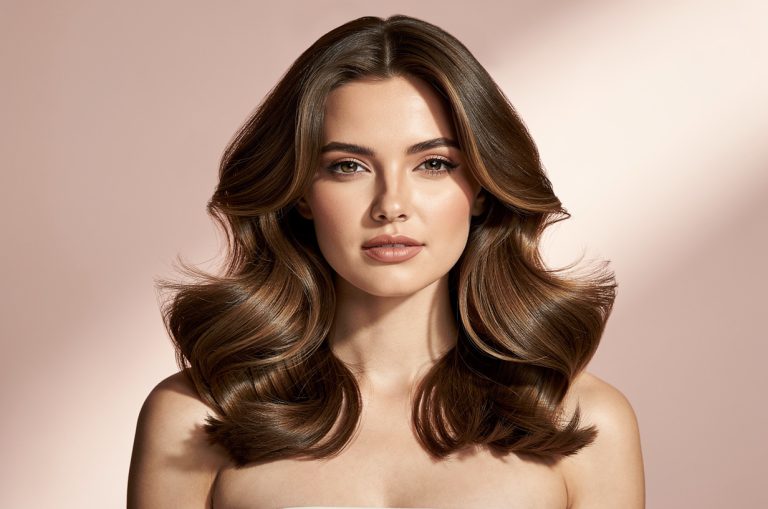
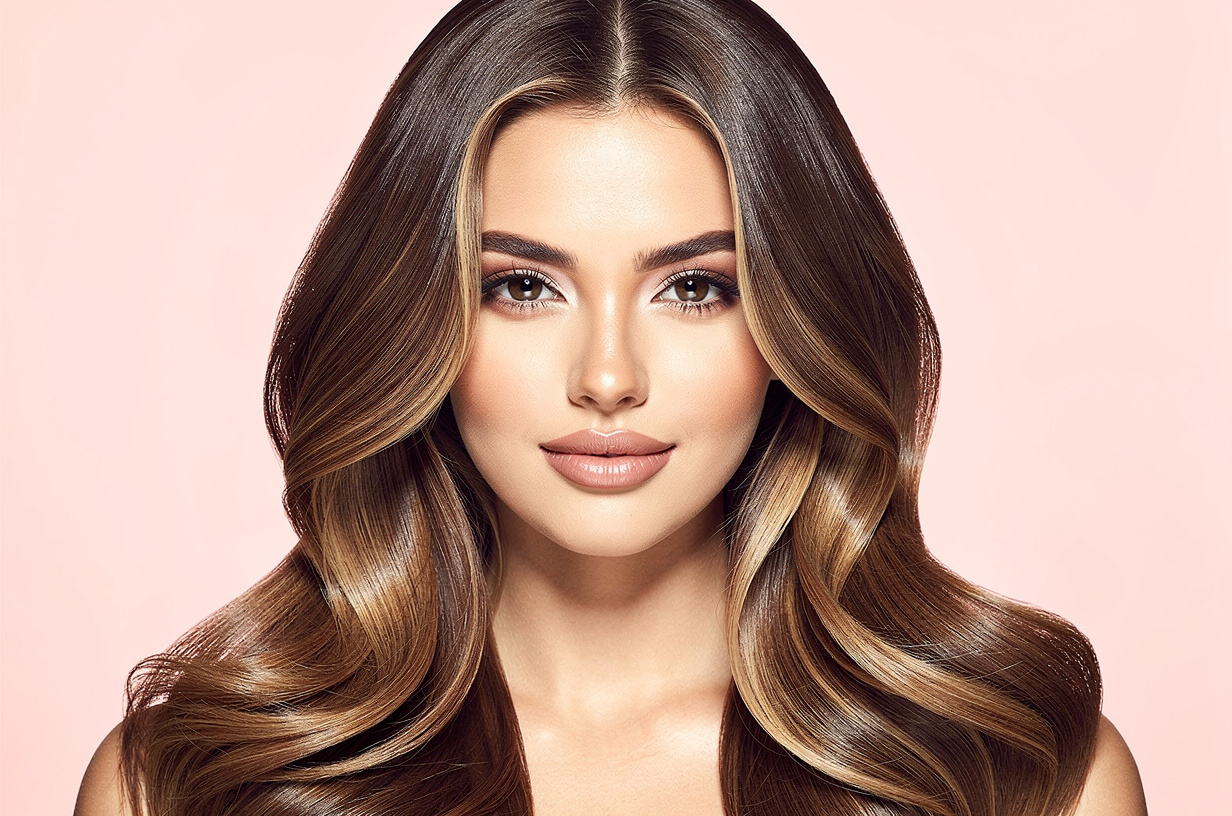
Start with color, and choose dimension over a flat match. Look for rooted shades or subtle balayage that echo your own root color and undertones, because real hair is never a single solid shade. If you are between two colors, the one with a little tonal variation will almost always blend more naturally than a perfectly uniform block.
Next, match texture honestly. Compare how the extension behaves to how your own hair behaves after washing, not just while styled. Straight-on-wavy or glossy-on-matte mismatches are what make the eye notice extensions, so getting the texture and shine right is more important than any premium label.
Finally, think about placement and density. Plan to sit the wefts slightly below your natural hairline so your own hair falls over them, and pick a density that suits your natural fullness. Adding a touch of face-framing and a little movement helps the extensions melt into your hair rather than sitting as a separate layer.
Buying checklist
| Check | Why it matters |
|---|---|
| Color dimension | Rooted or multi-tone shades blend far better than flat block color. |
| Texture and shine match | Mismatched texture is the fastest way to look obvious. |
| Placement | Wefts should sit below your own hair so nothing peeks out. |
| Appropriate density | Too much weight on fine hair looks unnatural and feels heavy. |
| Recent buyer photos | Real-life photos show true color and how natural the set looks. |
Maintenance that keeps the result pretty
Natural-looking results last longest with gentle, consistent care. Brush from the ends up while supporting the attachment points, wash only when needed with a sulfate-free shampoo, and keep conditioner on the mid-lengths and ends. Protecting the hair at night with a loose tie and a silk or satin pillowcase keeps it smooth and stops the friction that makes extensions frizz and separate.
Keep the finish natural by going easy on heavy products and high heat. A lightweight leave-in, a heat protectant and a small amount of oil on the ends keep the hair soft and blended without looking greasy or weighed down. If the color starts to look slightly off as your roots grow, a quick stylist toner or root touch-up keeps everything seamless.
Common mistakes to avoid
The biggest mistake is choosing a flat, single-tone color. Real hair has dimension, so block color almost always reads as obvious no matter how good the hair is. The second mistake is ignoring texture, installing straight or glossy extensions into wavy or matte natural hair so the two never quite sit together once the hair dries.
Placement is the other common slip. Wefts set too high or too close to a parting peek through and instantly give the game away. And finally, overloading fine hair with heavy density looks unnatural and feels uncomfortable. Natural results come from restraint and blending, not from adding as much hair as possible.
When to spend more and when to save
Spend on color matching and texture quality, because those two things determine whether extensions look natural. A well-chosen rooted or dimensional shade in a texture that matches your hair will look seamless even at a modest price. If you can, invest in a stylist for color blending and placement, which is often what makes the biggest visible difference.
Save on everything else. You do not need a huge product collection or the most expensive set on the market to look natural. A simple routine and thoughtful choices beat overspending every time. Put your money where it shows, in the color and the blend, and keep the rest minimal.
Final styling advice
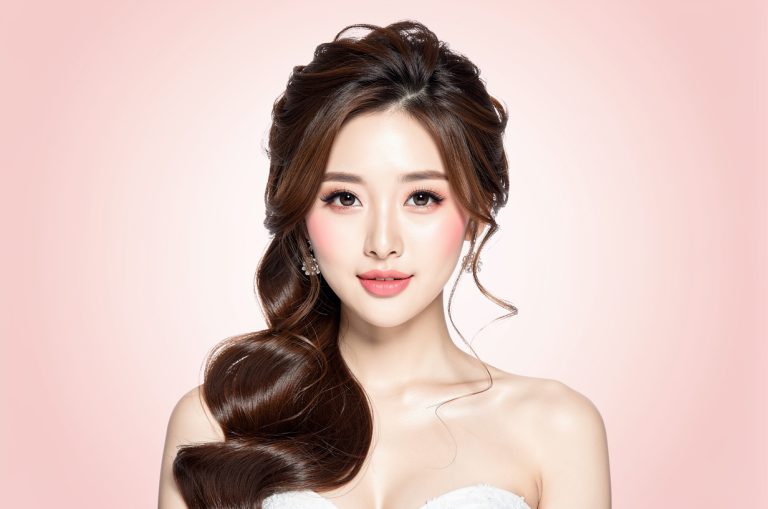
Finishing touches are what make extensions truly disappear. A little face-framing, soft movement through the lengths and a natural part help the hair read as your own. Avoid an overly polished, glassy finish if your natural hair is more relaxed; matching your usual texture and shine is what sells the illusion.
Before heading out, check the blend in motion and from a few angles. Run your fingers through, turn your head and look at where the wefts sit. If nothing peeks through and the color and texture flow together as you move, you have nailed a genuinely natural look that no one will question.
Before you reach the FAQs, compare current Natural-looking hair extension ideas options, reviews and prices side by side.
View Natural-looking Hair Extension Ideas on Amazon →
As an Amazon Associate, The Swag Hair may earn from qualifying purchases.
FAQ
What makes hair extensions look natural?
Three things: dimensional color that matches your roots and undertones, texture and shine that match your own hair, and thoughtful placement so the wefts sit below your natural hair. Get those right and even affordable extensions look seamless.
Why do my extensions look obvious?
Usually flat block color, mismatched texture, or wefts placed too high. Choose a rooted or multi-tone shade, match your wave pattern and shine, and sit the wefts lower so your own hair covers them.
Which extension type looks the most natural?
Tape-ins and hand-tied wefts tend to look the most seamless because they lie flat and lightweight. Rooted clip-ins also look very natural when you control the placement and color matching carefully.
Do I need expensive extensions to look natural?
No. Color blending, texture matching and placement matter far more than price. A well-matched, dimensional set in the right texture looks more natural than pricey hair in a flat, mismatched shade.
How do I keep extensions looking natural over time?
Handle them gently, keep the texture and shine matched, protect them at night, and refresh the color with a toner or root touch-up as your roots grow. Go easy on heavy product and high heat.
Final verdict
Natural-looking hair extension ideas all come back to the same fundamentals: blend the color with real dimension, match the texture and shine, and place the hair so it disappears into your own. Do that and your extensions stop being something people notice and become simply great hair. The most natural look is rarely the most expensive one, it is the most thoughtfully matched one.