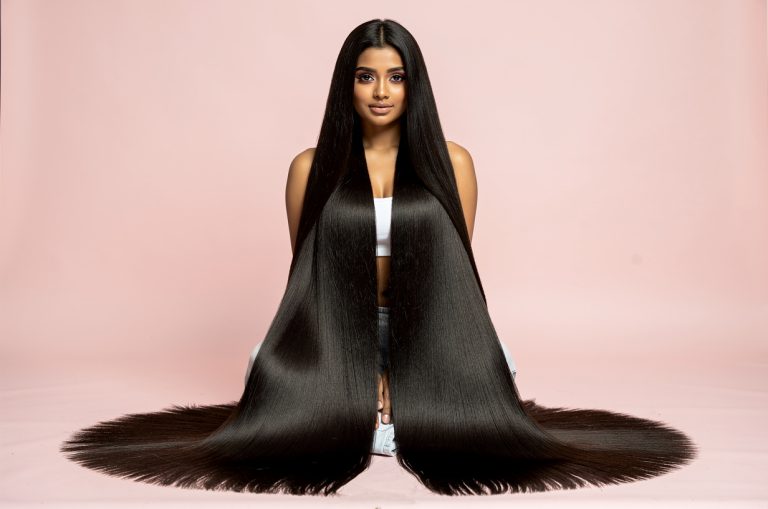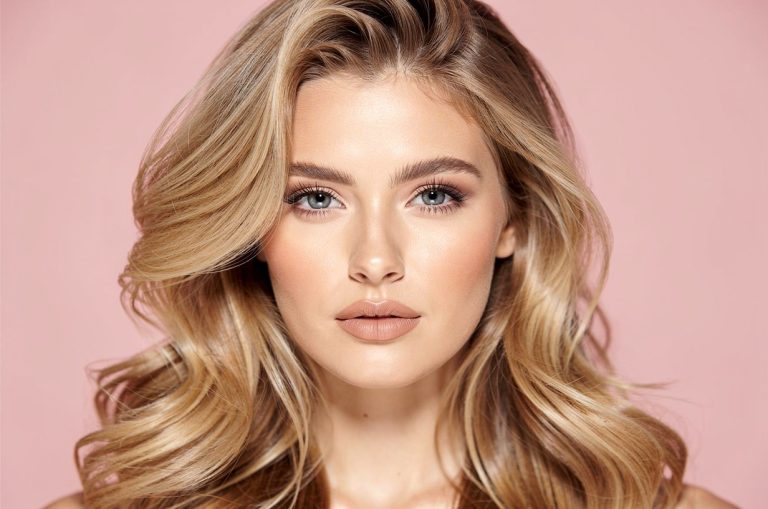
Fine Hair Extensions Before and After: Real Volume Transformations
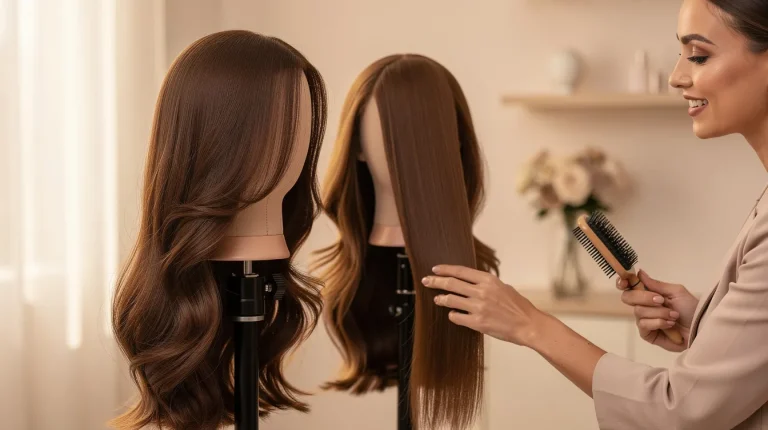
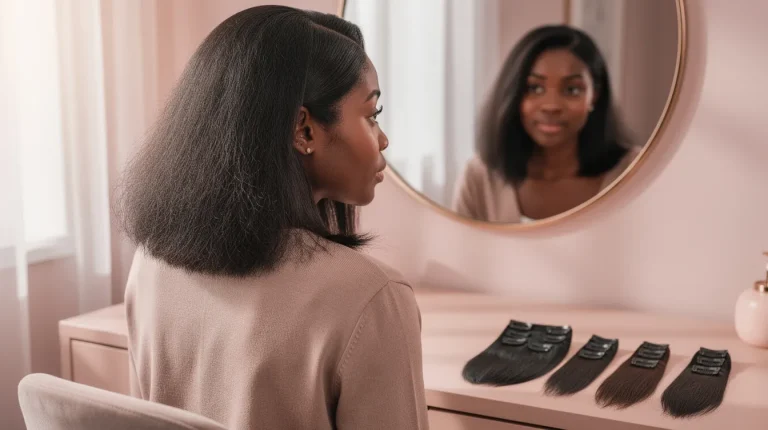
If you have fine hair, you already know the frustration: it looks flat by lunchtime, shows scalp at the part, and never holds a style for long. Fine hair extensions before and after photos tell the real story here, because the transformation is not really about length, it is about density. The right set fills in exactly where fine hair falls short, and the difference in fullness is often dramatic.
I have tested a lot of extensions on fine, thin hair, and the honest truth is that most of the visible transformation comes down to weight and placement, not the amount of hair you clip in. Too much weight on fine strands looks obviously fake and can even stress your natural hair, while the right lightweight wefts placed correctly disappear completely and just look like your hair, but thicker.
This guide walks through what actually changes in a before and after, how to choose extensions that suit fine hair specifically, and the small mistakes that make a set look heavy or unnatural instead of full and healthy.
Compare Fine Hair Extensions Before And After options
If you're shopping for extensions for fine hair, compare weft weight, clip count and color match, plus recent buyer photos, before you spend.
- Lightweight wefts built for fine hair
- Enough clips to spread the weight
- Color and texture that match your ends
- Recent real-life buyer reviews
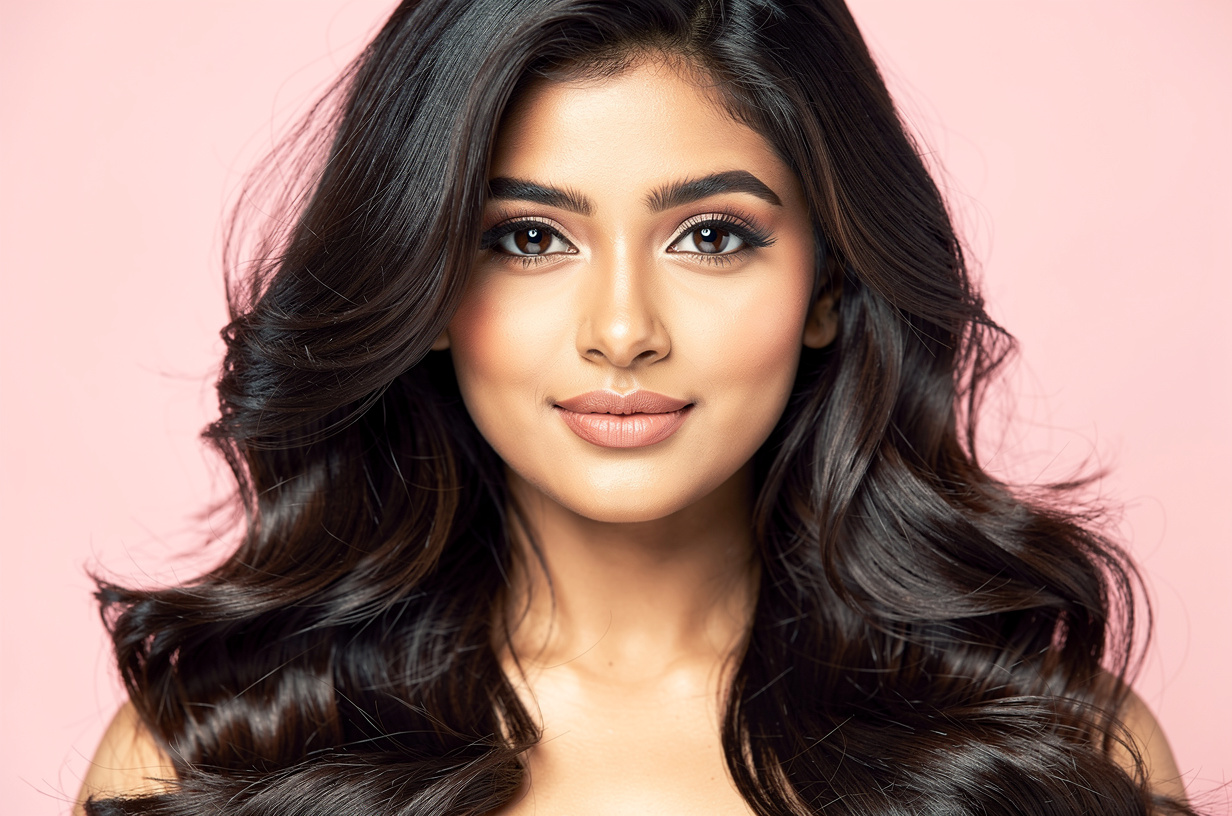
Compare Fine Hair Extensions Before And After on Amazon →
As an Amazon Associate, The Swag Hair may earn from qualifying purchases.
Key Takeaways
- The biggest before and after change is density at the crown and part, not just length.
- Lightweight wefts sit better on fine hair and avoid pulling or visible bulk.
- More, thinner wefts spread weight better than fewer, thick ones.
- Placement just below the crown hides roots and adds natural-looking fullness.
- Fine hair needs gentle, sulfate-free care to keep both natural and added hair healthy.
Quick Access
What I check before recommending Fine hair extensions before and after
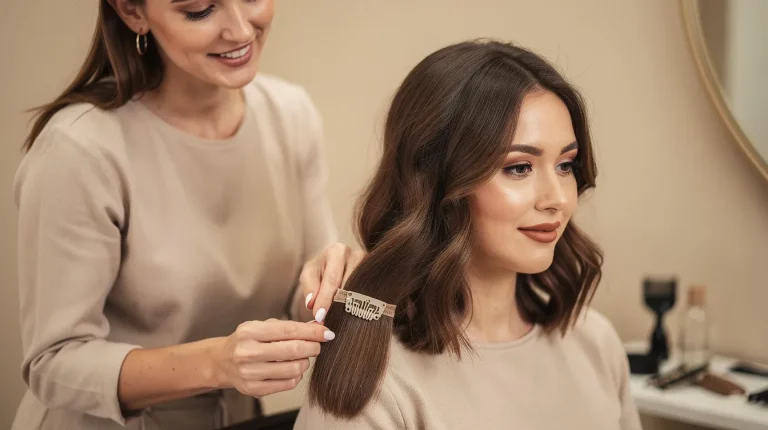
The first thing I check in any fine hair extension before and after is where the volume was added. The most convincing transformations add fullness starting an inch or two below the crown, not right at the root, because that mimics how naturally thick hair actually grows in layers. When wefts are placed too high, you get a bump instead of soft, gradual fullness.
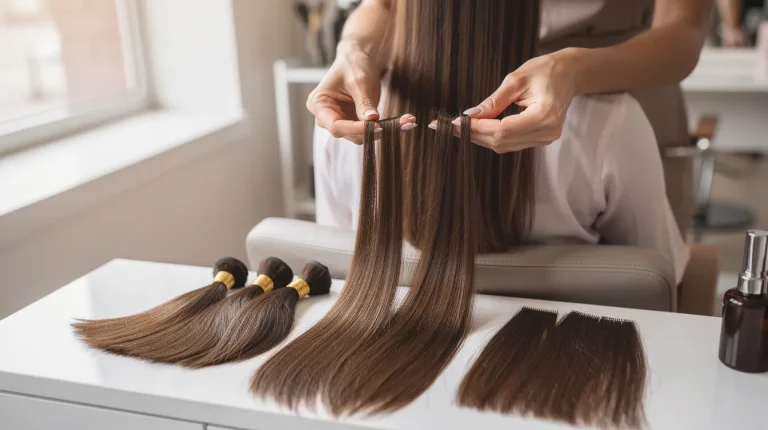
Next I look at weft weight. Fine hair has fewer strands to grip onto, so heavy, thick wefts can tug at the scalp and still end up looking like a hard, obvious layer sitting on top of the hair. Lightweight, seamless wefts spread more gently across more clips and blend into fine strands instead of sitting on them like a hat.
Finally I check the ends and color. Fine hair often has more visible ends because there is less density to hide them, so a texture and color match at the tips matters even more than usual. A rooted, gently blended set keeps the transition invisible, which is what makes a before and after look believable rather than obviously clipped in.
Who Fine hair extensions before and after suits best
Fine hair extensions before and after transformations suit anyone whose hair thins out visibly by the end of the day, shows scalp at the part, or simply never holds volume no matter how much product goes in. If you have ever avoided a middle part or a slicked-back style because your hair looks too thin for it, this is exactly the problem extensions solve.
They are less necessary if your hair is already dense but just short, since in that case length alone will do a lot of the work. But for genuinely fine, thin-density hair, lightweight extensions placed correctly are one of the fastest ways to get the kind of fullness that styling products alone cannot deliver.
Check Fine Hair Extensions Before And After prices before you buy
If you're shopping for extensions for fine hair, compare weft weight, clip count and color match, plus recent buyer photos, before you spend.
- Lightweight wefts built for fine hair
- Enough clips to spread the weight
- Color and texture that match your ends
- Recent real-life buyer reviews
Check today’s Amazon options →
As an Amazon Associate, The Swag Hair may earn from qualifying purchases.
Comparison guide
| Choice | Best for | Watch out for |
|---|---|---|
| Lightweight clip-in wefts | Occasional wear, easy on-off, gentle on fine strands | Choose thinner wefts and more clips over fewer thick ones |
| Tape-ins | Longer-term, low-bulk everyday volume | Needs professional application to avoid slipping on fine hair |
| Halo or wire extensions | Fast, no-clip volume with zero tension on roots | Can show at the crown if hair is very thin on top |
| Ponytail extensions | Instant fullness for updos and ponytails only | Doesn't help volume when hair is worn down |
How to choose the right look
Start by choosing the lightest weft weight available in your desired length, since weight is the single biggest factor in how natural extensions look on fine hair. A heavier set might promise more instant volume, but on fine strands it usually just shows as a distinct, separate layer instead of blending in.
Next, think about how you actually wear your hair. If you love a middle part or slicked-back styles, look for a set with a smaller weft specifically designed for the crown area, since that is where fine hair shows the most. If you mostly wear your hair down and loose, standard side wefts placed a little lower will do the job.
Finally, match color and texture at the ends, not just at the root, since fine hair often reveals more of the length. A rooted, gently graduated color and a texture close to your natural wave pattern is what makes the before and after look like your hair simply grew thicker overnight.
Buying checklist
| Check | Why it matters |
|---|---|
| Weft weight | Lighter wefts blend into fine hair instead of sitting on top of it. |
| Placement below the crown | Adding volume an inch or two down avoids an obvious bump at the root. |
| Number of clips | More, smaller clips spread the weight and reduce pulling on fine strands. |
| Color match at the ends | Fine hair shows more length, so tip color matters as much as the root. |
| Gentle, sulfate-free care | Keeps both natural fine hair and the extensions from drying out or matting. |
Maintenance that keeps the result pretty
Fine hair extensions need a slightly gentler routine than a standard set, because fine natural hair is more prone to breakage where it meets the clips or bonds. Brush from the ends up before clipping in, and avoid brushing directly at the root line where your natural hair and the wefts meet, since that is the spot most likely to snag.
Wash with a sulfate-free, lightweight shampoo so you are not adding extra product weight on top of already fine strands, and condition mainly through the mid-lengths and ends. Let clip-ins air dry fully before storing them flat, and take them out gently at night rather than sleeping in them, which keeps both your natural hair and the wefts smooth for the next wear.
Common mistakes to avoid
The most common mistake with fine hair extensions is going too heavy, choosing a set with thick, dense wefts because it promises more volume, when in fact that weight is exactly what makes it look unnatural and can even cause discomfort or breakage on fine strands. More clips of lighter hair almost always look better than fewer clips of heavy hair.
The second mistake is clipping wefts in too close to the root, which creates a visible shelf of hair instead of a soft transition. I also see people skip color matching at the ends, so the extensions look noticeably different from the visible, thinner tips of their own hair. Small adjustments in placement and weight make the biggest difference in the final look.
When to spend more and when to save
Spend on weight and construction quality, since a well-made, lightweight weft is what actually protects fine hair and gives a believable result. This is the one area where cheaper, heavier extensions genuinely cost you in comfort and appearance, so it is worth paying more for a set specifically made for fine or thin hair.
Save by not over-buying length or thickness you don't need. Fine hair usually looks best with a moderate volume boost rather than a dramatic thickness change, since anything more than that tends to look obviously added. A single well-matched, well-placed set is almost always enough.
Final styling advice
To finish, style your natural hair first to set the base, then clip in the wefts starting from the lowest section and working up, blending each layer with a brush before adding the next. A light curl or wave through the whole head, extensions included, helps everything move and blend together instead of looking like two separate textures.
Before you leave the house, check your part line and crown from a mirror at eye level, since that is the angle other people actually see. If the root area looks smooth and the fullness starts naturally a little lower, you have the kind of before and after transformation that just looks like healthy, thick hair.
Before you reach the FAQs, compare current Fine hair extensions before and after options, reviews and prices side by side.
View Fine Hair Extensions Before And After on Amazon →
As an Amazon Associate, The Swag Hair may earn from qualifying purchases.
FAQ
Do extensions work on very fine hair?
Yes, as long as you choose lightweight wefts and place them correctly below the crown. Fine hair actually shows the before and after volume difference more dramatically than already-thick hair.
Will extensions damage fine hair?
Properly weighted, well-placed clip-ins are low risk for fine hair. The damage risk comes mostly from choosing wefts that are too heavy or clipping too close to the root, which pulls on delicate strands.
How much fuller will my hair look with extensions?
Most people see a visibly fuller crown and part within one application, since even a moderate amount of added hair reads as significant volume on fine, lower-density hair.
What is the best type of extension for fine hair?
Lightweight clip-in wefts or tape-ins designed specifically for fine or thin hair, since standard wefts are often too heavy and show as a separate layer.
How do I keep the blend looking natural day to day?
Place wefts a little below the crown, match color at the ends, and brush the whole head together after clipping in so the natural and added hair move as one.
Final verdict
Fine hair extensions before and after transformations are so striking because they solve the one thing product and styling alone cannot fix: real density. Choose a lightweight set, place it a little below the crown, match the color at the ends, and you get the kind of full, healthy-looking hair that still feels like your own. That is the real difference between a set that looks clipped on and one that looks like your hair simply grew in thicker.