Everyday Hair Extension Styles That Take 5 Minutes or Less
I wanted hair extensions I could actually live in, not something just for one big event and then forgotten in a drawer for months. That's the difference everyday hair extension styles are built around — not a dramatic red-carpet blowout, but extensions that survive a full school run, eight hours at a desk, or the gym and still look pulled-together by the time you're home. The first set I bought failed that test within a week, since I'd chosen them for how good they looked in one photo rather than how they'd actually hold up clipped in or taped down every single day.
Everyday hair extension styles really come down to two decisions: which install type fits your actual daily routine, and which looks you can recreate quickly without a salon-level skill set. Clip-ins that take fifteen minutes to place perfectly are great for a Saturday night, but most people quietly stop wearing them on weekday mornings simply because there isn't time. The extensions that genuinely become part of your everyday look are the ones that match how much time and effort you're realistically willing to spend before 8am.
This guide walks through the install types that actually hold up to daily wear, the comfort and weight factors that matter more than most buying guides admit, and a handful of go-to looks — low ponytails, half-up styles, simple waves — that take extensions from special occasion to something you reach for without thinking. I'm covering clip-ins, tape-ins, and wefts, since 'everyday' means something different depending on which one you choose.
Compare Everyday Hair Extension Styles options
Before you buy, weigh comfort and quick styling time as heavily as the photos — a set that's a hassle by 7am won't get worn, no matter how full it looks.
- Check comfort for a full 8+ hour wear
- Confirm how fast it actually styles day to day
- Look at fiber quality for daily heat tools
- Pick an install type that matches your morning routine

Compare Everyday Hair Extension Styles on Amazon →
As an Amazon Associate, The Swag Hair may earn from qualifying purchases.
Key Takeaways
- The best everyday extensions match your actual morning routine, not just how full they look in photos
- Tape-ins and wefts beat clip-ins for daily wear since there's no reapplication each morning
- Lightweight, well-cut wefts disappear into low ponytails and half-up styles better than thick bulky sets
- Human hair holds up far better than synthetic blends under daily heat styling and washing
- A handful of simple, repeatable styles get worn far more often than one elaborate look
Quick Access
What I check before recommending Everyday hair extension styles
Before I recommend a set for everyday wear, I check the weight per weft and how it's distributed, since a heavy set that looks great for two hours can give you a real headache by hour six. I also check whether the wefts are cut thin enough to disappear into a low ponytail or bun, which is the style most people actually reach for on a busy morning.
I also look closely at the fiber. Everyday wear usually means everyday heat styling and washing, so synthetic or low-grade blends that can't handle a flat iron or repeated washing just won't survive the routine most people actually have. Real, ethically sourced human hair costs more upfront but holds curl, color, and texture through far more wash-and-style cycles, which matters more for daily wear than for an occasional set.
Who Everyday hair extension styles suits best
Everyday styles suit anyone whose hair routine runs on a clock — getting kids out the door, making an early shift, or just not having patience for a complicated install before coffee. If a set takes longer to put in than your entire morning routine allows, it quietly stops getting worn, no matter how good it looked the first time.
It also suits anyone building up to wearing extensions more permanently. Starting with a tape-in or weft set you can genuinely live in for weeks at a time, rather than clipping in and out daily, is often what actually makes extensions feel like your own hair instead of an occasional accessory you forget you own.
Check Everyday Hair Extension Styles prices before you buy
Before you buy, weigh comfort and quick styling time as heavily as the photos — a set that's a hassle by 7am won't get worn, no matter how full it looks.
- Check comfort for a full 8+ hour wear
- Confirm how fast it actually styles day to day
- Look at fiber quality for daily heat tools
- Pick an install type that matches your morning routine
Check today’s Amazon options →
As an Amazon Associate, The Swag Hair may earn from qualifying purchases.
Comparison guide
| Choice | Best for | Watch out for |
|---|---|---|
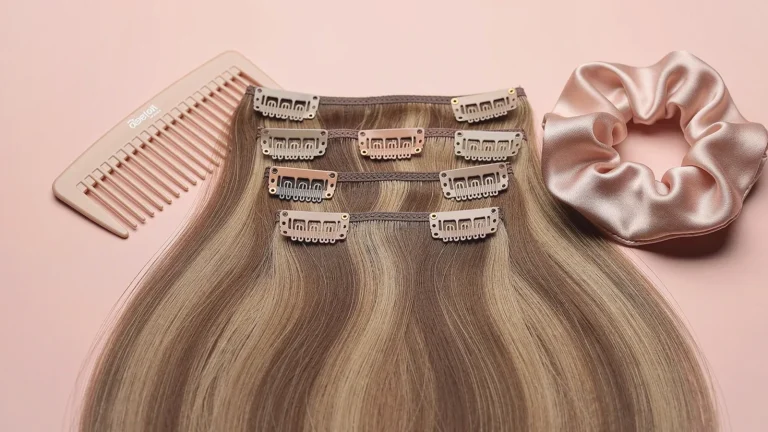
| Clip-in wefts | Occasional everyday wear and easy color rotation | Most people stop reapplying them daily within a couple of weeks |
| Tape-in extensions | True everyday wear with zero morning reapplication | Needs a stylist for install and removal every 6-8 weeks |
| Sew-in wefts | Long-term daily wear with the most secure hold | Professional install required; harder to adjust styling underneath |
| Halo extensions | Fast daily styling with the least commitment | Less secure for high-movement days like workouts or sports |
How to choose the right look
Start with how much time you realistically spend on your hair on a normal weekday, not a weekend. If that number is under five minutes, an install you reapply yourself every morning is going to lose the battle with your schedule eventually, and a tape-in or sew-in that stays in for weeks will serve you better long-term, even with the higher upfront cost and salon visits.
Then think about your highest-movement day, not your calmest one. If your week includes a workout, a swim, or a long commute, choose a set rated for that kind of wear rather than one designed for a still, photographed moment. A secure tape-in or sew-in handles a gym class far better than a halo or clip-in set that's only built for sitting at a desk.
Buying checklist
| Check | Why it matters |
|---|---|
| Chose an install type that matches your actual morning routine | A set that takes too long to apply daily quietly stops getting worn |
| Confirmed the wefts are lightweight enough for a full day | Heavy sets cause discomfort and headaches well before evening |
| Checked the fiber can handle regular heat styling and washing | Daily wear means daily wear and tear, which low-grade fiber won't survive |
| Tested the set through your highest-movement weekly activity | A workout or swim needs a more secure install than a still photo does |
| Reviewed reapplication or maintenance scheduling before buying | Tape-ins and sew-ins need salon visits every 6-8 weeks to stay comfortable |
Maintenance that keeps the result pretty
Everyday wear means everyday upkeep, so I treat extension maintenance as part of my normal routine rather than a special occasion task. I brush from the ends up with a loop brush every morning before styling, which keeps the attachment points from tangling or matting the way they would if I only brushed them out once a week.
Washing schedule matters more for daily wear too. I wash my extensions less often than my natural hair, using a sulfate-free shampoo and cool water, then let them air-dry most of the way before any heat styling to avoid extra daily stress on the fiber. Skipping this step is the fastest way to turn a good everyday set into a frizzy one within a month.
Common mistakes to avoid
The biggest mistake I see is buying a set sized for a special-occasion look and trying to wear it every day. A full, heavy set that's stunning for one photo often becomes uncomfortable and impractical once you're wearing it eight hours a day, five days a week. Everyday sets should usually be a size or two lighter than what you'd choose for a single big event.
The second mistake is skipping the trial run. Wearing a new set for one full ordinary day — through work, errands, and however you actually move — tells you more about whether it'll work for everyday wear than any number of product photos. If it's uncomfortable or slipping by hour four, that's worth knowing before you commit to a tape-in appointment or a full sew-in.
When to spend more and when to save
Spend on whichever install type matches your real routine, even if it costs more upfront. A tape-in or sew-in that actually gets worn every day for two months is a better investment than a cheaper clip-in set that ends up in a drawer after the second week because it was never going to fit your mornings.
Save on having a large rotation of different lengths or colors for daily wear. Most people end up reaching for the same one or two everyday sets regardless of how many they own, so it's better to buy one genuinely comfortable, well-made set than several mediocre ones bought for variety you won't actually use day to day.
Final styling advice
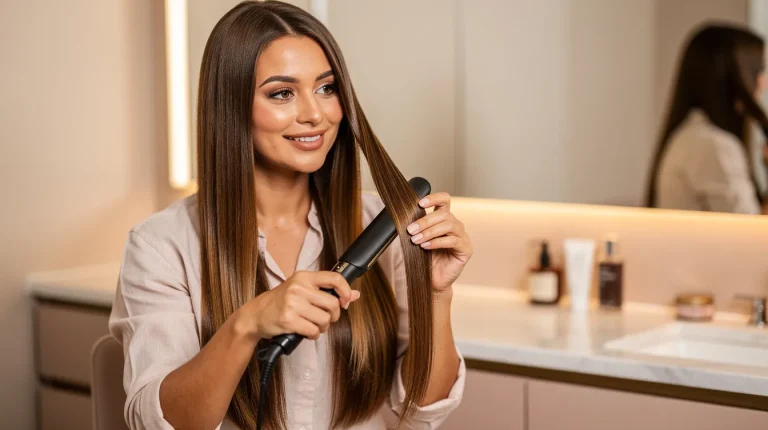
For an actual everyday look, a low, slightly loose ponytail is the fastest styling win extensions offer — gather your hair and extensions together at the nape, leave a little looseness at the crown instead of pulling tight, and it reads as effortlessly full rather than obviously added-to. A half-up style with just the top section clipped back works almost as fast and shows off length and movement through the rest of the day.
For days with less time, simple second-day waves hold up better than a sleek, flat-ironed style, since texture hides any weft lines and doesn't show wear the way poker-straight hair does by the afternoon. A light mist of texturizing spray at the start of the day, rather than heavy styling product, keeps both your natural hair and the extensions moving the same way through a full eight hours.
Before you reach the FAQs, compare current Everyday hair extension styles options, reviews and prices side by side.
View Everyday Hair Extension Styles on Amazon →
As an Amazon Associate, The Swag Hair may earn from qualifying purchases.
FAQ
How long can I realistically wear extensions every day before reapplying?
Clip-ins need daily reapplication, which is why most people drop them as an everyday option. Tape-ins typically last 6-8 weeks of continuous daily wear, and sew-ins can go similarly long, before either needs a fresh install.
Are extensions comfortable enough to sleep in?
Tape-ins and sew-ins are generally fine to sleep in once installed correctly, especially with a loose braid or buff to prevent tangling overnight. Clip-ins should always be removed before bed, since the clips can dig into your scalp and cause discomfort.
Will daily wear damage my natural hair?
Any extension type can cause some strain if it's too heavy for your hair or installed incorrectly, so matching weight to your own hair's strength matters. Proper installation, regular check-ins with a stylist for tape-ins and sew-ins, and gentle daily brushing all reduce the risk significantly.
What's the fastest everyday style with extensions?
A low, slightly loose ponytail is the fastest, since it takes seconds and naturally hides any weft lines at the nape. A half-up style with just the crown section clipped back is a close second and shows off more length.
Do I need different extensions for workouts versus regular days?
Not necessarily different extensions, but a more secure style. Braiding both your natural hair and the extensions together before a workout keeps everything in place far better than a loose ponytail would during high movement.
Final verdict
Everyday hair extension styles aren't about finding one perfect look — they're about choosing an install type that actually survives your real routine and a small handful of quick styles you can repeat without thinking. Get the weight, fiber, and install type right for how you actually live, and extensions stop being a special-occasion project and start being something you genuinely wear every day.